

A photographer’s guide to shooting in overcast light
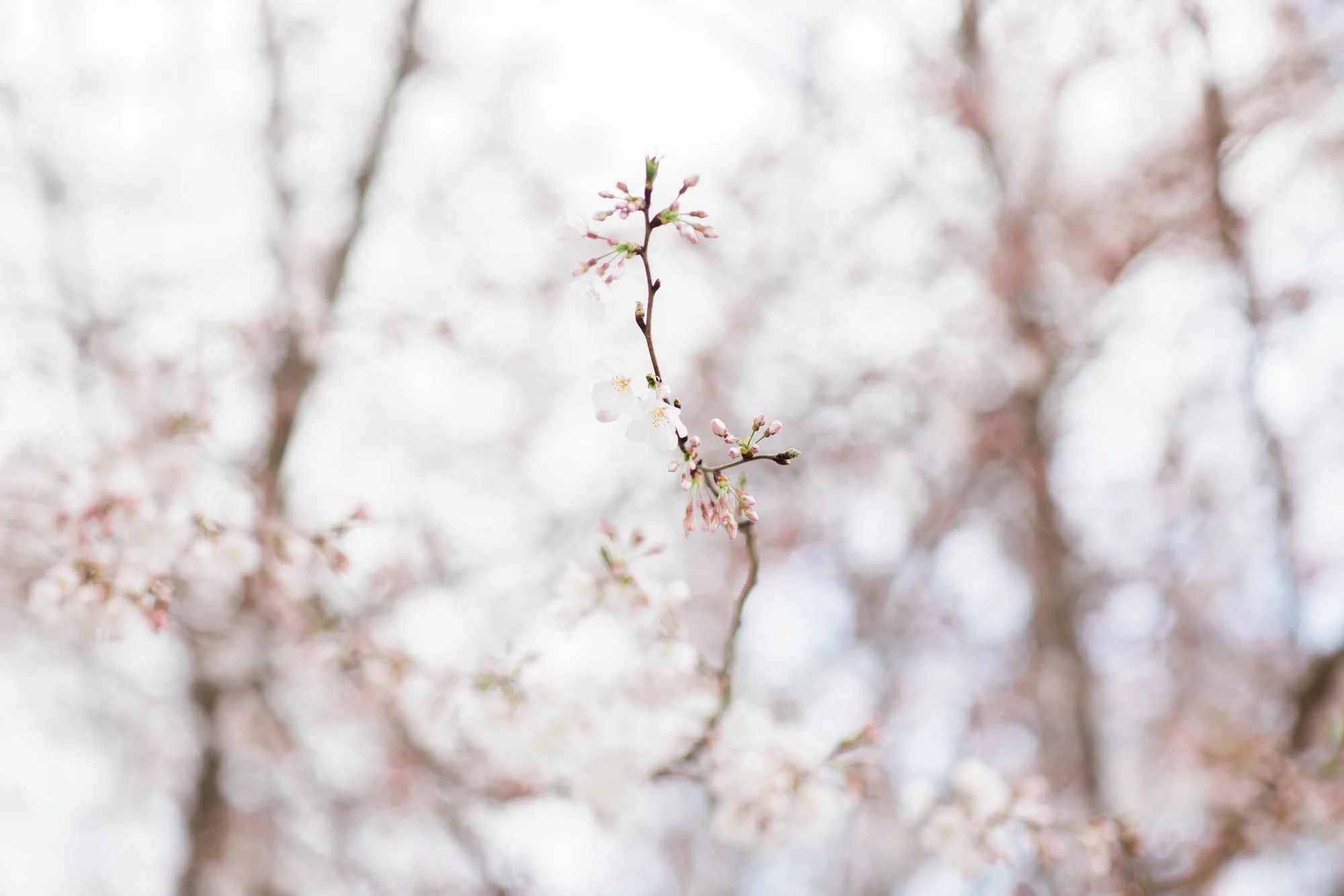
Cloudy skies are often treated as a backup plan for portrait and wedding photography, yet overcast light can create some of the most flattering conditions of the day. The clouds act as a vast natural softbox, reducing harsh shadows and giving skin a gentle, even appearance. Colors can feel quieter, emotions more visible, and candid moments easier to preserve.
For a natural-light photographer, the goal is not to fight gray weather or force every image to look sunny. It is to recognize the character of diffused daylight and use it intentionally. Whether photographing a wedding in Georgia, an engagement session, or a family gathering, the same principles help create photographs that feel honest and connected.
The strongest results come from balancing technical control with observation. Watch how the light falls, notice the direction hidden inside the cloud cover, and give people room to move naturally. A thoughtful approach to weather can turn a muted sky into part of the story.
Understand what overcast light offers
Overcast skies soften the transition between highlights and shadows. This is especially helpful for close portraits because foreheads, cheeks, and noses are less likely to become overly bright. People can face toward the open sky without squinting, making it easier to capture relaxed expressions and genuine interaction.
Clouds do not always produce perfectly uniform light. Thin cloud cover may still allow brighter areas to appear, while heavy clouds can create deeper, cooler tones. Look for the brightest section of sky and use it as a natural source. It can provide subtle direction across a couple’s faces even when there is no visible sunlight.
This kind of light is particularly useful during wedding portraits. It gives the photographer flexibility to work in open fields, around historic buildings, or beside a venue without constantly moving the couple to avoid sharp patches of sun.
Expose for natural skin tones
In cloudy conditions, a camera can be tempted to overexpose because the overall scene appears bright and low in contrast. Check the highlights on skin, white dresses, and light-colored shirts rather than relying only on the appearance of the rear screen. Preserving detail in a wedding gown is often more important than making the background look slightly brighter.
A small exposure adjustment can protect delicate highlights while keeping faces luminous. Shooting in RAW provides additional flexibility, but careful exposure at the moment of capture still produces cleaner files and more natural edits. Use the histogram or highlight warnings when the scene includes white fabric against a pale sky.
Auto white balance may shift between frames as the camera sees different amounts of greenery, architecture, and sky. A consistent white balance helps a full wedding gallery feel cohesive. If the light is distinctly blue, a modest warming adjustment can restore the gentle warmth people expect from skin without making the scene look artificially sunny.
Find direction inside diffused light
Flat light is often a matter of positioning rather than weather. Ask subjects to turn slightly toward the brightest part of the sky, then observe how the light shapes their eyes and jawline. A small change in angle can add definition while retaining the soft quality that makes cloudy conditions so attractive.
Open shade near a building, porch, or tree line can create another layer of control. Place the couple where the sky remains visible in front of them, while avoiding deep shade overhead that may make faces appear dull. Doorways and covered walkways can also frame people and provide gentle contrast against the brighter outdoors.
Movement works beautifully in this environment. Walking hand in hand, adjusting a veil, leaning into a partner, or sharing a private laugh creates changing angles and expressions without requiring stiff posing. The photographer can anticipate these moments while allowing the couple’s relationship to lead the frame.
Build compositions around the weather
An overcast sky can be a quiet background or an important visual element. Include more sky when it adds scale, atmosphere, or a sense of place. Reduce it when the cloud cover is featureless and let trees, architecture, or close interaction carry the composition instead.
Use color thoughtfully. Soft gray skies make bouquets, autumn leaves, colorful clothing, and green landscapes stand out. Neutral surroundings can also support an editorial, understated mood, especially when the couple’s expressions and gestures become the strongest visual details.
| Scene | Useful approach | Visual result |
|---|---|---|
| Couple portraits | Face subjects toward the brightest open sky | Soft, dimensional skin tones |
| Family groups | Use open shade and keep the group close | Even exposure across faces |
| Wedding details | Look for subtle color and texture | Calm, cohesive detail images |
| Ceremony coverage | Expose carefully for white clothing | Preserved dress and veil detail |
| Walking photographs | Give subjects space to move | Natural expressions and connection |
The weather can also help establish continuity across a gallery. Repeating the same soft tonal quality in portraits, details, and documentary frames makes the full story feel intentional rather than like a collection of unrelated images.
Keep people comfortable and expressive
Cloudy weather is often physically easier for clients than bright midday sun, but cool temperatures, wind, or damp air can still affect energy. Plan short sequences rather than keeping people outside in one position for too long. A quick movement-based prompt usually creates more natural photographs than asking someone to hold a pose.
For weddings, schedule a few flexible portrait opportunities instead of depending on one exact moment. If rain begins, an elegant covered area, a shaded porch, or a bright indoor window can preserve the natural-light approach. Communicate the plan calmly so the couple experiences the weather as part of the day rather than as a disruption.
Connection remains the priority. A photographer’s technical decisions should support the people in front of the camera, not distract from them. Couples choosing a visual approach can benefit from reviewing a photographer who fits their preferred balance of candid coverage, guided portraits, and artistic detail.
Use simple tools with intention
Overcast light rarely requires a complicated setup. A lens hood can reduce flare when photographing toward a bright sky, while a reflector can gently lift shadows beneath a chin or around the eyes. Use it subtly; the appeal of cloudy light comes from its softness, not from eliminating every shadow.
A longer lens can isolate a couple against a layered landscape, while a wider lens can show the atmosphere of a venue or neighborhood. Carrying lenses with different perspectives gives the photographer options when the sky, architecture, and available space change throughout the day.
Artificial light can still be useful, particularly during a dark reception or under a covered structure. Keep flash balanced with the existing ambient light so the image retains the mood of the location. A small amount of fill is often enough to maintain detail without overpowering the natural scene.
Edit for atmosphere, not artificial sunshine
Post-production should preserve what made the overcast scene appealing. Raise contrast carefully, keep highlights controlled, and avoid adding so much warmth that the clouds lose their quiet character. Gentle color adjustments can make greens, florals, and skin tones feel rich while retaining believable relationships between colors.
Black-and-white conversion can work especially well when cloud cover creates restrained tones and the image is driven by gesture or emotion. It should be a purposeful choice rather than a way to rescue inconsistent color. A coherent gallery may include both color and monochrome images when each treatment supports the moment.
Consistency matters most across a wedding collection. Match exposure and skin tone from frame to frame, then allow the weather’s natural variation to remain visible. The result should feel polished while still rooted in the actual day.
Let the sky shape the story
Overcast light gives a wedding gallery a calm, intimate quality. It can soften a quiet exchange before the ceremony, reveal the texture of a veil, and make a recessional feel cinematic without relying on dramatic sunlight. The gray sky becomes context: evidence of the place, season, and atmosphere surrounding the people.
At Viki Sears Photography, natural light and authentic connection guide the way a wedding day is documented across Georgia and beyond. If cloudy weather is part of your celebration, embrace its softness and let the photographs reflect the real mood of the day. Reach out to discuss your plans and create a visual story that feels genuine from the first frame to the last.