
Best Practices for Photographing Indoor Weddings with Natural Light
Indoor weddings can create some of the most intimate images in a wedding gallery. Window light softens skin, highlights quiet expressions, and gives a ceremony or reception a sense of place. When handled thoughtfully, available light can feel more personal than a heavily lit setup.
The best practices for photographing indoor weddings with natural light begin before the first image is made. A photographer needs to study the venue, anticipate changes in brightness, and understand how people will move through the space. Preparation creates room for authentic moments instead of constant technical adjustments.
From getting-ready rooms and historic chapels to dim reception halls, every location presents a different visual language. The goal is not to make every frame bright and uniform. It is to preserve atmosphere while ensuring that meaningful expressions, relationships, and details remain clear.
Read the room before the wedding begins
Arrive early enough to walk through the venue without pressure. Look for the direction, color, and quality of light in each area where important events will happen. A large north-facing window may offer consistent softness, while a small side window can create dramatic contrast that works beautifully for portraits.
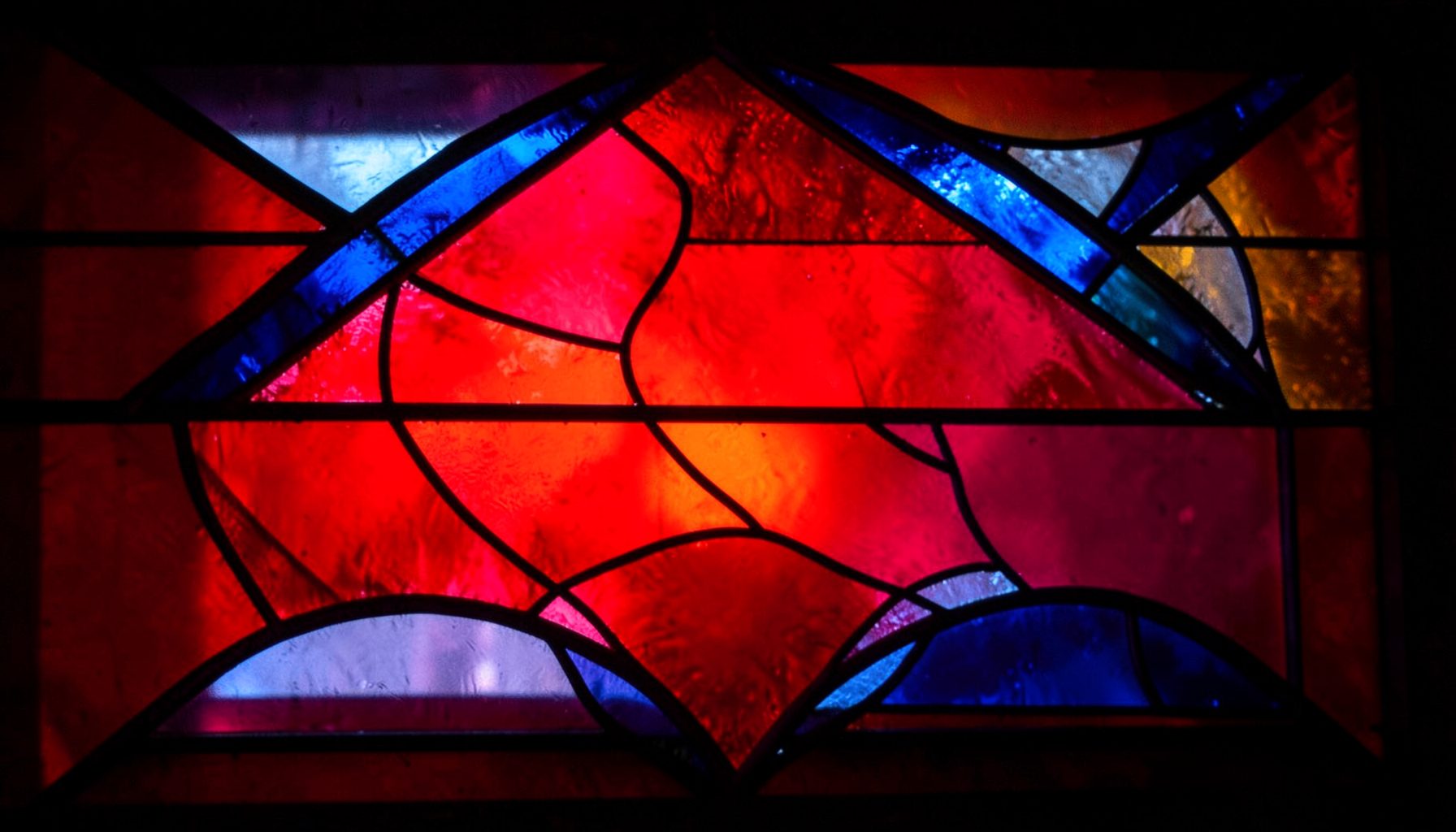
Notice reflective surfaces, dark walls, overhead fixtures, and colored glass. These elements can shift skin tones or introduce unwanted color casts. Take a few test frames from likely positions, then consider where the couple, wedding party, and family members will naturally stand rather than forcing them into ideal light.
Natural light also changes throughout the day. A bright getting-ready room in the morning may become shadowed by the ceremony hour. Rechecking the venue as the schedule progresses helps you adapt quickly while keeping the visual style cohesive.
Expose for faces and preserve atmosphere
When photographing people beside windows, place your focus point on the nearest eye and watch the highlights on the face. Slightly underexposing can protect a bright dress or window view, but too much underexposure may create muddy skin tones when the image is edited. A controlled, modest adjustment is usually more effective than rescuing a severely dark file.
Shoot in RAW so exposure, white balance, and shadow detail can be refined later. Use the histogram and highlight warnings when the room includes bright windows or white clothing. The back of a camera can be misleading in a dark environment, especially when its screen brightness is high.
A consistent aperture can create a recognizable look, but do not let shallow depth of field compromise group portraits or moving subjects. For a single portrait, a wide aperture may separate the subject beautifully. During a processional or emotional exchange, a slightly narrower aperture can provide a better margin for focus.
Guide people without losing the moment
Natural-looking photographs still benefit from gentle direction. Instead of arranging every hand and expression, offer simple prompts that encourage movement: ask a couple to walk slowly toward the window, read a letter aloud, or hold each other for a few quiet seconds. These cues create space for genuine reactions.
During ceremonies, pay attention to transitions. A hand reaching for a ring, a parent watching from the front row, or a quick glance between newlyweds may happen in changing light. Anticipate the moment, choose a useful position, and let the scene unfold without interrupting it.
For portraits, use window light as a starting point rather than a rigid rule. Turn the couple slightly toward the source, then make small adjustments to their shoulders and chins. This keeps the light flattering while allowing the background, architecture, and emotional connection to remain part of the frame.
Choose equipment that supports quiet movement
A fast prime lens can be especially useful indoors, where light levels may fall and flash could distract from the ceremony. Lenses such as a 35mm or 50mm are versatile for documentary-style coverage, while an 85mm can provide flattering portraits from a respectful distance.
Stabilization helps with slower shutter speeds, but it cannot freeze a moving person. Set a shutter speed fast enough for the action, then balance aperture and ISO around it. Modern cameras handle higher ISO settings well, and a sharp, expressive image is usually more valuable than a technically clean but blurred frame.
Keep equipment changes simple. Two camera bodies with complementary focal lengths can reduce missed moments and help you move discreetly. A small reflector may assist during portraits, although it should never overpower the existing mood or draw unnecessary attention.
Match the technique to the lighting condition
Different indoor spaces call for different decisions. The following guide can help photographers make quick adjustments without losing the character of the venue.
| Indoor condition | Common risk | Useful response | Desired result |
|---|---|---|---|
| Bright window behind the couple | Faces become too dark | Change angle or expose carefully for skin | Balanced silhouettes or readable expressions |
| Soft side window light | One side of the face falls into shadow | Turn the subject slightly toward the source | Gentle dimension and natural skin tones |
| Dim reception room | Motion blur and noisy files | Raise ISO and protect shutter speed | Sharp candid moments with preserved ambiance |
| Mixed daylight and warm bulbs | Uneven color across faces | Set a custom white balance or adjust position | More consistent, believable color |
| Narrow beam of sunlight | Distracting hotspots | Wait, reposition, or use the light intentionally | Focused, editorial-looking portraits |
The table is a starting point, not a substitute for observation. A shadowed room may be perfect for a quiet portrait, while a bright beam can create a striking image during a first look. The strongest choice depends on the emotional purpose of the scene.
Reviewing full galleries can also reveal how a photographer handles changing conditions over an entire day. The story behind a meaningful image often includes decisions about timing, position, and available light that are invisible in the final frame.
Prepare a reliable approach for every venue
A thoughtful indoor wedding workflow can keep the day calm and consistent:
- Visit or research the venue before the event and identify the best window-lit areas.
- Build exposure decisions around faces, white clothing, and the brightest part of the frame.
- Carry lenses that cover both environmental storytelling and intimate portraits.
- Track how daylight changes so the plan can shift between preparation, ceremony, and reception.
- Use gentle prompts that create authentic interaction instead of stiff poses.
Share the lighting plan with the couple when discussing the timeline. A few extra minutes near a beautiful window can improve portraits, while a flexible schedule may allow the photographer to follow a patch of flattering light as it moves.
The photographer’s role is also to remain present without becoming intrusive. Quiet movement, thoughtful positioning, and anticipation help preserve the natural rhythm of the wedding. Couples should feel supported, not constantly managed.
Indoor wedding photography becomes strongest when technical control serves the story. Natural light can show tenderness in a getting-ready room, anticipation at the altar, and the relaxed connection that appears once formalities are over. With careful preparation and an observant eye, even a challenging venue can become an expressive part of the gallery.
For couples planning a wedding in Georgia or beyond, Viki Sears Photography brings a natural-light approach to weddings, engagements, couples, portraits, and family sessions. Get in touch to begin planning photography that preserves the atmosphere and relationships that make your day yours.