
Ethereal Bridal Portraits: Using Your Veil as a Dreamy Prop
A bridal veil carries centuries of meaning, yet many brides treat it as a static accessory worn only for the ceremony. Photographers who focus on candid, emotion-led imagery see it differently, treating the veil as the most expressive prop in your wedding wardrobe. With the right fabric, lighting, and a little wind, a veil becomes a brushstroke of softness around your face and shoulders, turning an ordinary portrait into something otherworldly.
Australia offers an unusually generous canvas for this kind of imagery. Long coastal stretches from Byron Bay to the Mornington Peninsula, open vineyards in the Barossa, and sun-warmed eucalyptus groves give bridal portraits a backdrop that already feels like a painting. Pair those settings with a veil used as a deliberate visual tool, and the resulting images feel less like a photograph and more like a held breath.
Choosing fabric and length that catches the light
Not every veil behaves the same way on camera. Heavier satin or silk charmeuse tends to fall flat against the shoulders and absorbs light rather than scattering it. For that soft, diffused halo effect most ethereal portraits aim for, reach for tulle, English net, or a soft silk organza. These weaves allow sunlight to pass through, glowing pink, gold, or lavender depending on the time of day and the angle of the light.
Length also matters more than brides expect. A shoulder-length birdcage veil reads as vintage and graphic, which suits a city ceremony in Melbourne's laneways or a sleek rooftop reception in Brisbane. A cathedral-length veil, on the other hand, is built for drama and trailing motion, the kind that looks spectacular in wide frames against open horizons like those found along the Great Ocean Road or in the Hunter Valley. Fingertip and chapel lengths sit in between, giving you flexibility to lift, drape, or toss without overwhelming the frame.
Letting Australian wind do the work
Wind is the single most powerful veil-prop a bride can call on, and Australia has no shortage of it. Coastal venues in Sydney's eastern suburbs, Perth's Cottesloe beach, and Tasmania's east coast regularly deliver the kind of steady ocean breeze that lifts tulle into sculptural shapes without tossing it into chaos. Inland, a soft gust rolling across a wheat field or vineyard can produce the same effect during late afternoon.
For predictable results, plan your portrait window around the breeze rather than fighting it. Photographers familiar with Australian weather patterns often suggest stepping outside about fifteen minutes before sunset, when winds tend to settle into a steady rhythm. If you're marrying inland during a hot summer (December through February), aim instead for the gentler breezes of late winter or early spring, when temperatures around Adelaide or Canberra are cooler and the air carries less dust. Always keep a small comb and a few discreet hairpins on hand, since Australian humidity can shift the veil's drape between the ceremony and the portrait session.
Using backlight for that soft halo
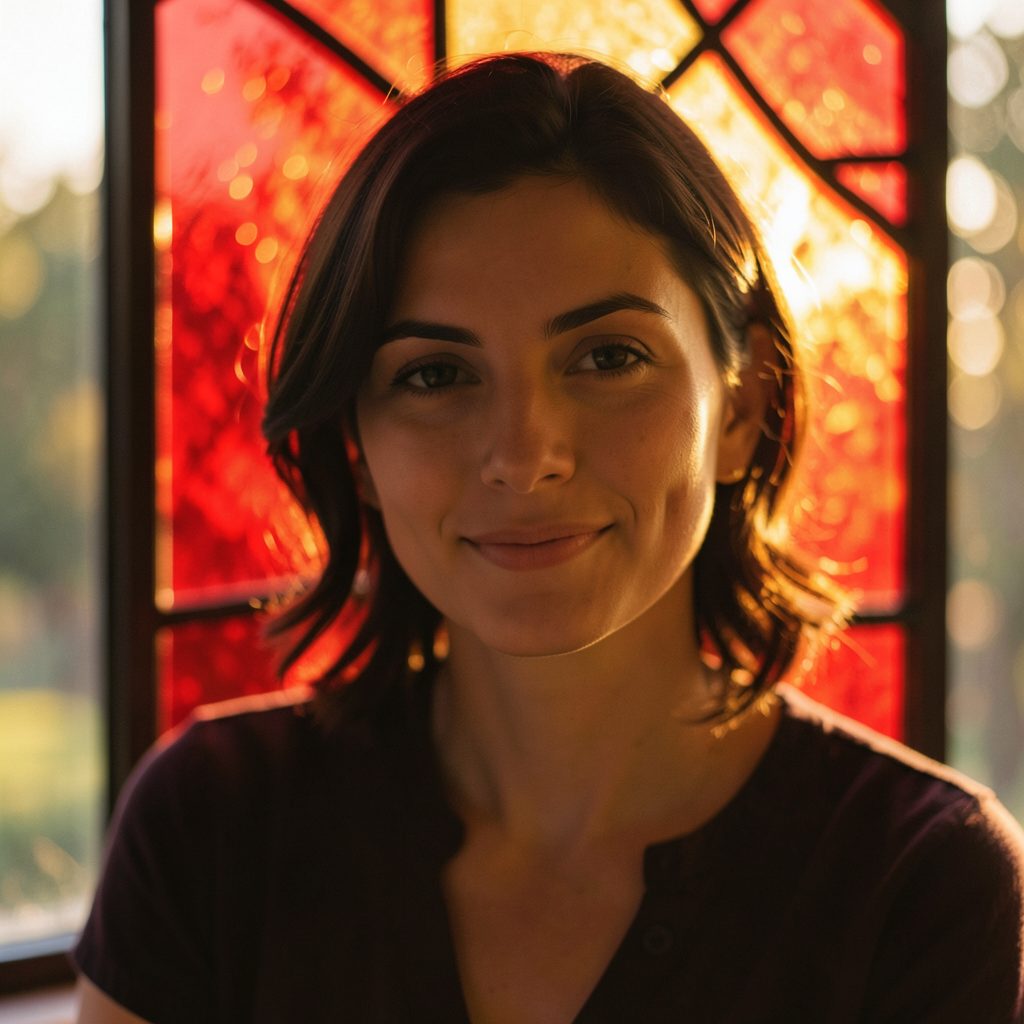
Backlight is the technical backbone of any ethereal bridal portrait. When the sun sits just behind the bride's head and shoulders, the veil's translucent edge lights up, creating a glow that no studio filter can replicate. Position matters: have the photographer stand between you and the sun, framing you so the brightest point sits along the veil's edge rather than behind your face.
Australian light is particularly forgiving for this. The lower angle of the sun in winter (June to August) makes backlighting easier to control across shorter days, while summer weddings in places like Noosa or Broome can rely on long golden hours stretching past seven in the evening. Hold the veil slightly away from your shoulders during these shots so light wraps around you instead of being blocked. A simple adjustment like a raised elbow or a turned wrist lets the photographer catch the gossamer edge without flattening the fabric against your gown.
Creating motion through twirls and trailing fabric
Stillness has its place, but movement is what gives veil portraits their sense of life. Ask your photographer to capture a slow twirl, a walk toward the lens, or a moment where the veil is lifted and released so it trails behind you. These sequences yield both sharp, expressive frames and softly blurred ones that read as emotion in motion.
For brides who want a more candid feel, simply walk. A relaxed stroll through a vineyard in Margaret River, across a weathered timber boardwalk in the NSW Southern Highlands, or along a sandstone path in the Adelaide Hills creates natural fabric movement without forced posing. Long veils photograph especially well when allowed to puddle slightly behind the bride during seated portraits, since the gathered fabric reads as soft folds rather than flat fabric. Bring a small handheld mirror or ask a bridesmaid to check that the train is laying the way you want before the shutter clicks.
Pairing the veil with the right backdrop
The veil does much of the visual work, but the backdrop decides whether the final image feels grounded or floating. Solid dark walls, dense forest, and shadowed interiors tend to swallow the translucent glow a veil produces, leaving the bride looking slightly overexposed against an underexposed scene. Open fields, ocean horizons, sun-bleached sandstone, and whitewashed timber barns all give the veil somewhere to breathe.
If you're marrying in a region known for native flora, lean into it. Eucalyptus, wattle, and banksia branches all pair beautifully with tulle because their muted greens and soft textures complement rather than compete with the veil's sheen. Many Australian florists, particularly in Victoria and Tasmania, build arches and bouquets around these natives specifically because they photograph so well against pale fabrics.
Talking it through with your photographer
Before the wedding day, share your vision for veil-led portraits with your photographer in concrete terms. Bring reference images, discuss which lengths and fabrics you've chosen, and walk through the venue's wind and light conditions together. Photographers who prioritise relationship-driven storytelling, like the approach described in communicating with your photographer, tend to capture more authentic results when expectations are clearly mapped out beforehand.
On the day itself, brief your photographer on the moments you most want preserved: the first veil lift during the ceremony, a private portrait in golden light, a candid walk between reception events. Clear guidance, paired with the right location and a veil chosen with intention, turns a single accessory into the emotional centrepiece of your bridal gallery.
The veil on your wedding day is more than a tradition. It is fabric shaped by light and wind, a soft companion to every gesture and glance. When you choose it with intention and give it room to move, your bridal portraits will carry that quiet, dreamlike weight for decades to come.