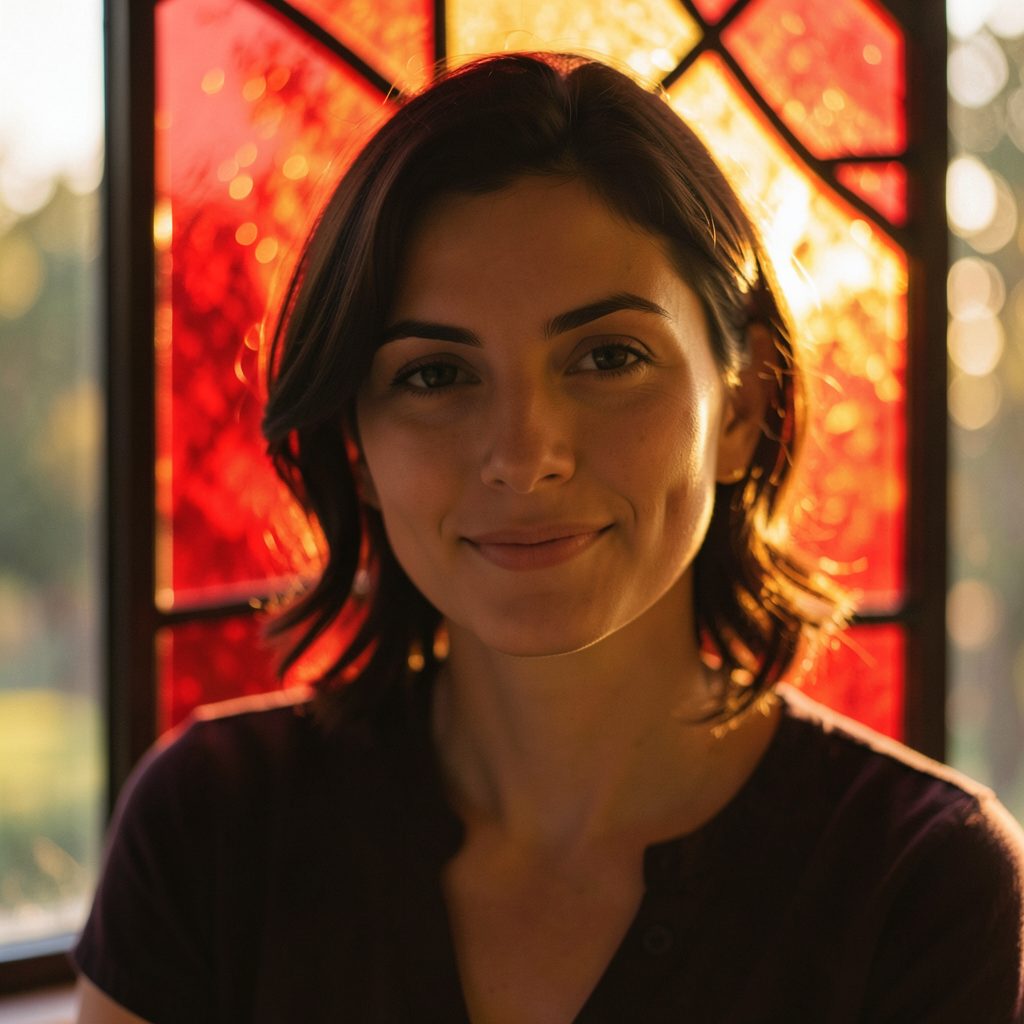



Capturing dance floor energy without a flash
Dance-floor photographs come alive when movement, expression and atmosphere are recorded together. Capturing that energy without a flash relies on reading the venue, using the available light and accepting a little grain rather than interrupting the moment with artificial brightness.
Australian celebrations make this especially practical. Sydney weddings may move from bright harbour views into a dim city reception, while couples around Melbourne often choose wineries or barns in the Yarra Valley or Macedon Ranges. In Brisbane, early summer sunsets can arrive before dancing. Speeches and cake cutting commonly precede the dance floor here, so the available light can change quickly.
Reading the room before the lights change
Before the formalities begin, walk the dance floor and identify where faces remain visible. Note the brightest wall, window, doorway or reception fixture, then check how quickly the light falls away at the edges. A couple positioned near a doorway may still need a higher ISO indoors, while a bright dance-floor spotlight can leave the surrounding room looking much darker.
| Setting | Likely result | Useful for |
|---|---|---|
| 1/250 sec or faster | Freezes most gestures and jumps | Energetic group dancing |
| 1/125 sec | Keeps movement natural with modest blur | Candid action and turns |
| 1/60 sec | Creates visible motion blur | Spins and flowing movement |
| f/1.8–f/2.8 aperture | Gathers more light with shallower focus | Separating people in busy rooms |
Treat these values as starting points, not rules. A fast-moving group needs a quicker shutter speed, whereas a couple turning slowly may tolerate a softer blur that conveys movement better than a perfectly frozen pose.
Working with the light already in the room
Without flash, each exposure must work with the existing brightness. Open the aperture as far as the lens allows, set an appropriate ISO and monitor the highlights so ceiling lights do not wash out faces. Grain is usually preferable to clipped skin tones or a subject lost in darkness.
Position often matters more than another piece of equipment. Guide the couple towards usable light without making the movement feel directed, and use a spot or centre-weighted reading when bright décor sits behind them. At Viki Sears Photography, this practical awareness lets the documentary style remain natural rather than staged.
Reception details can help direct attention towards the people. Metallic confetti, mirrored table decorations and gold accents catch whatever light is available, but one highlight is enough. The same restraint appears in gold leaf typography, where a reflective finish lifts a design without overwhelming the words.
Following movement without making it feel staged
Energy is usually found in the space between the formal moments: a joke shared across a group, a parent pulling someone onto the floor, or two friends dancing as closely as a formal portrait ever could. These moments are easy to miss when every frame is composed in advance. I therefore watch the floor continuously and let gestures determine when the camera rises.
Working from the edge of the dance floor often provides a clearer view than standing in its centre. It also captures reactions from surrounding guests, adding context to the couple's own movement. Alternate wider environmental frames with closer photographs of expressions and hands, keeping the edit varied without asking anyone to perform for the lens.
Backlighting can reveal airborne confetti, movement and genuine expressions. Expose carefully for the faces and allow the darker edges of the room to remain subdued. Some shadow is useful here: it creates atmosphere and stops the finished set from looking artificially polished.
Choosing settings that can keep up
A fast lens helps because a wide aperture gathers more light and allows a quicker shutter speed, but ISO provides the extra flexibility when the venue is genuinely dark. Many full-frame cameras handle ISO 1600 to 6400 reasonably well, and newer models may offer cleaner files at higher settings. Compare the noise on the camera screen with the movement in front of it, rather than assuming a low ISO is always best.
Keep the shutter at roughly 1/160 second for general dancing, raising it for fast action and lowering it only when a creative blur suits the moment. Stabilisation steadies the camera, not the moving subject. Use continuous autofocus or back-button focusing when people cross the frame, shoot RAW for colour flexibility, and check the histogram instead of trusting a bright screen preview.
Venue-specific questions are worth raising early. Couples can share the reception timeline, floor plan and lighting details through contact Viki Sears, helping the coverage plan adapt before the wedding day.
Practical recommendations for consistent dance-floor images
A dependable workflow combines a few deliberate choices with room for spontaneity:
- Arrive early enough to assess daylight, reception lighting and the likely direction of the first dance.
- Keep faces near usable light, even when that means shooting from the side rather than directly in front.
- Set a dependable shutter speed and let ISO adapt to the available brightness instead of forcing an extreme aperture.
- Photograph both the whole group and individual reactions, preserving context as well as close emotion.
- Check nearby guests before changing position, since a crowded floor can block both the view and the available light.
These habits reduce uncertainty once the music starts. They also leave more attention for the people, which is where the energy of the evening actually lives.
Preserving the feeling after the reception
A natural-light approach should survive editing without losing its warmth. Consistent white balance, restrained shadow recovery and a selection that includes reactions between songs can preserve the feeling of a night rather than a series of loud peaks. The same attention to connection shapes engagement sessions, couples portraits and family photography at Viki Sears Photography, with sessions held at home, outdoors or beyond the usual local area.
The practical takeaway is to find the most usable light, set a shutter speed that makes movement believable, and frame the people rather than the equipment. Those choices keep the dance floor energetic and authentic long after the reception ends.