How to Choose a Focal Length That Flatters Your Features in Portraits
A portrait lens does more than make a face appear larger or smaller in the frame. Its focal length affects perspective, facial proportions, background compression, working distance and the overall feeling of the photograph. The most flattering option depends on how the lens is used, not simply on the number printed on its barrel.
A wide lens can make a close face look energetic and expressive, while a longer lens usually produces a calmer, more balanced appearance. Neither choice is universally better. The aim is to find the relationship between your features, the camera position, the available light and the mood you want the portrait to convey.
This is especially useful when planning an engagement, couples, family or personal branding session in Australia. A portrait in a sunny Melbourne laneway, a shaded Brisbane garden or beside the beach in Perth may need a different approach from an indoor studio image. Thoughtful lens selection helps preserve natural expressions while making the setting part of the story.
Perspective Matters More Than Magnification
Focal length does not directly change the shape of a face. Camera distance does. When a photographer moves close with a wide-angle lens, the nose may appear more prominent and the sides of the face may seem to recede. This can be creative, but it is rarely the preferred effect for a classic head-and-shoulders portrait.
Moving farther away with a longer lens changes the photographer’s viewpoint. Features appear more evenly proportioned, and the face often feels softer and more relaxed. A 50mm lens can look natural when used from a comfortable distance, while an 85mm or 105mm lens gives the photographer more space without losing facial detail.
Full-frame focal lengths are useful reference points, although camera sensors vary. A 35mm lens on a crop-sensor camera may give a similar view to a 50mm lens on full frame. Your photographer can account for this when choosing equipment, so the important question is how the finished image feels rather than whether a particular number sounds professional.
Match The Lens To Your Features
People with a prominent nose, strong jaw, round cheeks or a narrow face may worry that a lens will exaggerate those characteristics. Usually, a moderate or short telephoto lens is a sensible starting point because it allows the photographer to step back and keep perspective controlled. Directional light and posing can then refine the result.
Longer lenses are often flattering for close portraits because they compress the scene gently and create attractive background separation. An 85mm lens is a popular choice for natural-looking portraits, while a 105mm or 135mm lens can produce an elegant, more intimate feel from farther away. These lenses are particularly effective outdoors, where there is room to move.
Useful lens choices for different portrait effects include:
- 35mm for environmental portraits, movement and a strong sense of place
- 50mm for a natural perspective and versatile half-body images
- 85mm for balanced headshots, couples and softly separated backgrounds
- 105mm for refined close-ups and gentle facial compression
- 135mm for a quiet, editorial look when space and light allow
A photographer should still vary the composition rather than photographing every person with the same lens. The best choice considers your expression, posture, hairstyle, clothing and the story behind the portrait.
Use Distance And Light Together
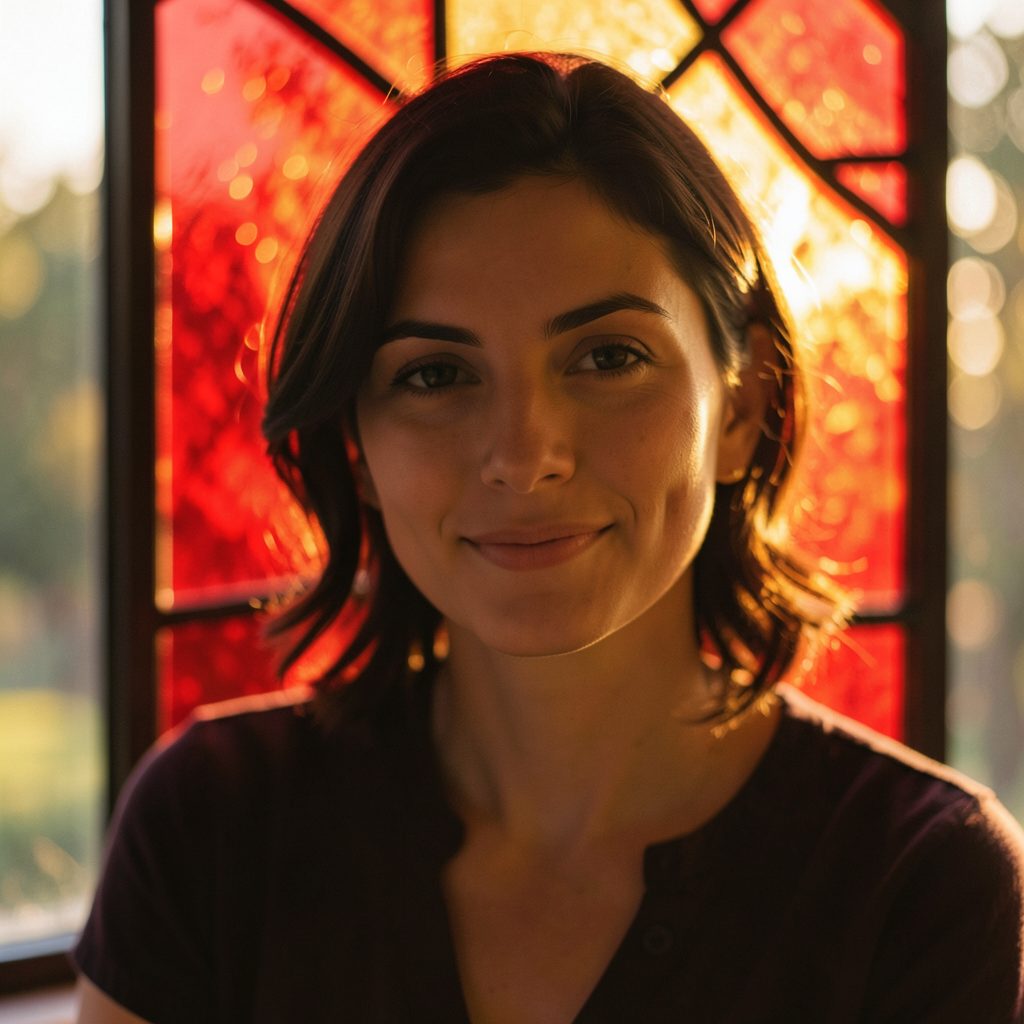
A flattering focal length cannot compensate for harsh or poorly placed light. Natural light coming from the side can define cheekbones and jawlines, while open shade can soften contrast around the eyes. In Australia’s strong midday sun, a photographer may look for verandahs, leafy streets, covered arcades or late-afternoon light rather than placing someone directly beneath a cloudless sky.
Distance also affects how comfortable the session feels. A 35mm lens may require the photographer to work close, which can be lively for a candid couples session but distracting for someone who feels self-conscious. An 85mm lens allows more personal space and can make it easier to capture genuine expressions between poses.
For portraits in Sydney or Melbourne, longer focal lengths can help isolate a subject from busy streets and passing pedestrians. In a Brisbane garden or along the Adelaide coast, a 50mm or 85mm lens may include enough environment to show the location while retaining a natural facial perspective.
Consider The Final Use Of The Portrait
The intended use of an image should influence the lens and composition. A professional headshot for LinkedIn, a family photograph for a hallway and an engagement portrait for a wedding invitation do not need identical framing. Allowing some space around the subject may be useful for website banners, printed cards or social media crops.
Australian photographers often deliver images for digital galleries, albums and prints, with packages varying across the local market. A lower-priced mini session may focus on a small number of close portraits, while a full session can include several lenses, locations and outfit changes. Reviewing complete galleries rather than isolated social media images makes it easier to judge consistency and perspective.
Before the session, clarify how the photographs may be used. A written agreement should cover delivery, retouching, cancellations, travel fees and image-use rights. Australian Consumer Law generally applies to consumer services, while privacy and consent expectations still matter when portraits are shared publicly, particularly for children or commercial work.
Compare Common Focal Length Choices
The following guide uses full-frame equivalents. Crop-sensor cameras produce a narrower field of view, so the photographer may select a shorter lens to create a similar composition.
| Focal length | Facial impression | Best suited to | Main consideration |
|---|---|---|---|
| 35mm | Energetic and environmental | Full-body portraits, couples, locations | Can exaggerate features when used too close |
| 50mm | Familiar and natural | Half-body portraits, families, everyday scenes | Requires careful camera distance for close-ups |
| 85mm | Balanced and softly separated | Headshots, engagement portraits, wedding details | Needs more working space |
| 105mm | Calm and gently compressed | Close portraits, beauty-style images | Can feel restrictive indoors |
| 135mm | Refined and highly isolated | Outdoor editorial portraits | Requires substantial distance and strong light |
A practical portrait session may use more than one focal length. A 35mm lens can establish the setting, an 85mm lens can create flattering close portraits, and a longer lens can capture quiet expressions without interrupting the moment. This variety is valuable for wedding photography, where relationships and reactions matter as much as posed photographs.
Keep these checks in mind when reviewing a photographer’s portfolio:
- Look for faces photographed at several distances and angles
- Compare how features appear in close-ups versus environmental images
- Notice whether expressions look relaxed rather than heavily posed
- Check that skin tones and shadows remain natural in outdoor light
- Look for examples photographed in conditions similar to your session
- Ask whether the photographer uses full-frame or crop-sensor equipment
The most reliable choice is usually a moderate focal length paired with correct camera distance, flattering light and gentle direction. A longer lens may soften perspective, but it should never replace communication, comfortable posing or attention to the person in front of the camera.
For your next portrait session, begin with the final use and the feeling you want, then choose a lens that lets the photographer keep a natural working distance. In practical terms, an 85mm-equivalent lens is a dependable starting point for flattering portraits, while 35mm or 50mm options add context when the surroundings are part of the story.