

How to Choose Florals That Pop in Natural Light Photography
Flowers play a central role in the visual story of a wedding day. They frame the ceremony, soften the reception space, and add color to portraits, flat lays, and candid images. When those arrangements are photographed in natural light, their beauty depends on more than the flower varieties alone.
Sunlight reveals subtle differences in tone, shape, and texture. It can make pale blooms look luminous, deepen rich colors, and create beautiful transparency in delicate petals. The right floral design works with that light so your bouquet and décor feel vibrant without looking overly styled.
For couples planning a Georgia wedding, this approach is especially useful. Bright outdoor ceremonies, shaded garden venues, and warm afternoon light can all affect how flowers appear in photographs. A thoughtful plan helps your blooms look natural, dimensional, and memorable throughout the day.
Start With The Quality Of Light
Before choosing colors, consider where your flowers will be photographed. A bouquet held under open shade may appear soft and evenly lit, while flowers in direct midday sun can show stronger highlights and shadows. Ask your florist how the arrangements will look in the ceremony location, portrait setting, and reception space.
The time of day matters as well. Warm golden-hour light enhances peach, coral, blush, and cream, while cooler morning light may make blue, lavender, and white flowers appear especially crisp. Sharing your photography timeline with your florist allows the floral palette to work beautifully across changing conditions.
Natural-light wedding photography often includes movement and unscripted moments. Choose flowers that remain attractive from several angles, since your bouquet may be photographed while you are walking, laughing, hugging, or holding hands.
Build Contrast Into Your Color Palette
A floral arrangement needs enough contrast to remain visible in a photograph. An all-white bouquet can be elegant, but white blooms may blend into a light dress or bright background. Adding greenery, soft taupe, dusty blue, or a deeper accent flower gives the composition definition.
You do not need a dramatic rainbow palette to create visual interest. A tonal design can photograph beautifully when it combines several shades of the same color. For example, pale pink roses, mauve blooms, berry accents, and olive foliage create depth while preserving a romantic, cohesive mood.
Consider the colors surrounding the flowers, too. Against a neutral venue, vivid blooms become a focal point. Against colorful bridesmaid dresses or patterned reception décor, simpler arrangements may produce cleaner, more balanced images.
Mix Petal Shapes And Textures
Texture gives flowers dimension, especially in close-up images. Round garden roses, airy cosmos, spiky delphinium, delicate ranunculus, and trailing sweet peas each catch light differently. Combining several forms keeps a bouquet from appearing flat or repetitive.
Foliage is equally important. Eucalyptus, olive branches, ferns, ruscus, and seasonal greenery can create movement around the flowers. Wispy stems and cascading elements photograph well when the bouquet is held at an angle or captured in motion.
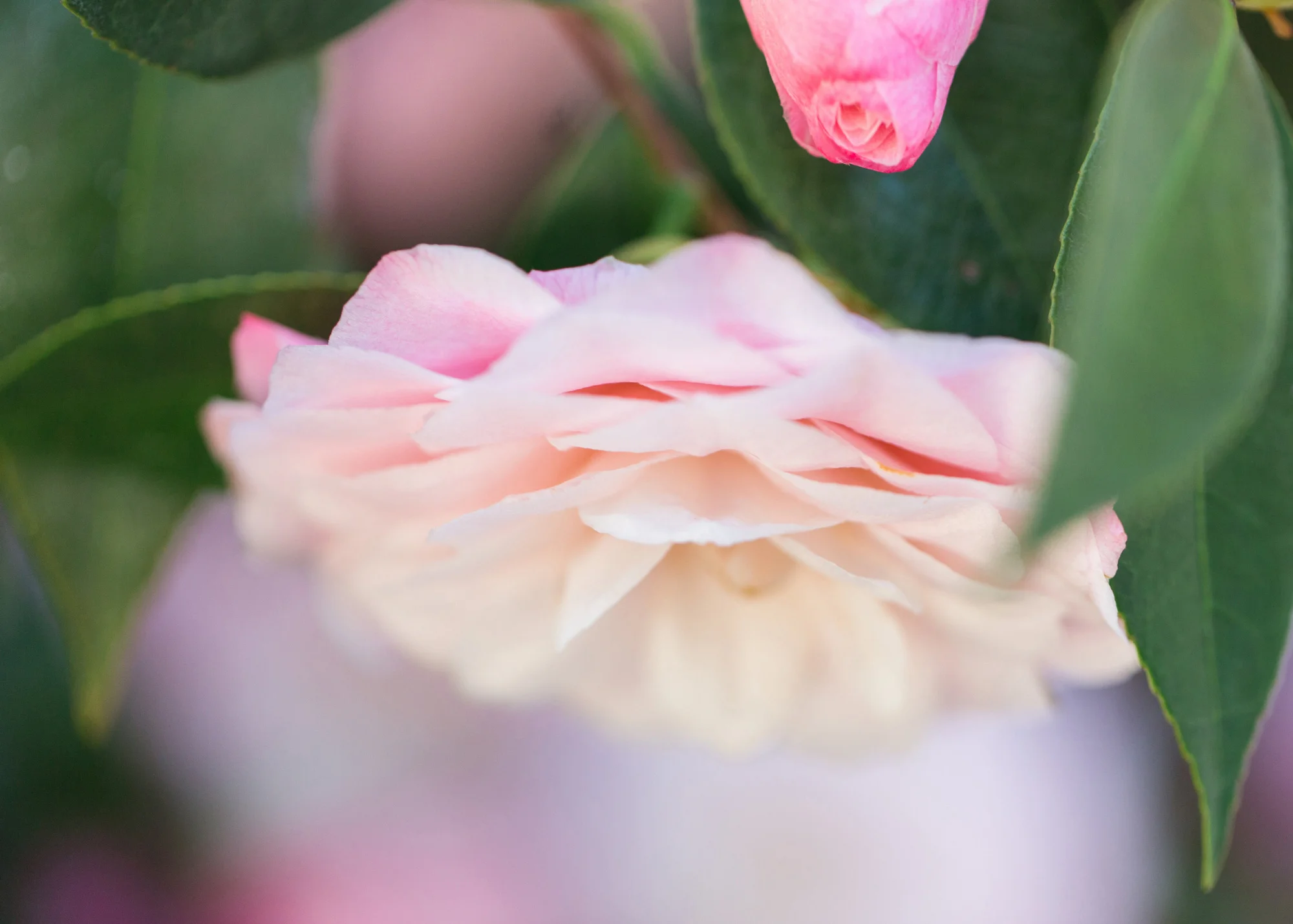
Ask your florist to include a few blooms with translucent or ruffled petals. These details can glow when backlit, adding a soft halo to portraits and making close-up floral photography feel more tactile.
Choose Flowers That Suit Your Setting
The venue should influence the scale and character of your floral design. A loose garden-style bouquet may feel natural at a vineyard, historic estate, or outdoor ceremony. A structured arrangement may suit a modern venue with clean lines and strong architectural features.
Seasonality can improve both appearance and durability. Flowers that are naturally available during your wedding season are more likely to look fresh and full. Your florist can recommend local or seasonal alternatives that preserve your preferred color palette while fitting the climate.
| Wedding setting | Floral qualities that photograph well | Useful design direction |
|---|---|---|
| Open garden or meadow | Airy shapes, movement, soft color variation | Loose, organic arrangements |
| Historic estate | Romantic blooms, layered texture, classic greenery | Garden roses, hydrangeas, trailing foliage |
| Modern venue | Clean silhouettes, bold color blocks, sculptural forms | Minimal bouquets with strong lines |
| Beach or coastal setting | Light textures, wind-tolerant stems, pale or saturated accents | Compact bouquets with natural movement |
| Shaded woodland setting | Luminous color, reflective foliage, warm accents | Moody berries, cream blooms, textured greenery |
Balance Bouquet Size And Composition
A bouquet should complement your proportions, dress, and surroundings without overwhelming the photograph. Large arrangements can create drama, but they may hide the shape of your gown or become difficult to carry comfortably. Smaller bouquets can feel refined and intimate, particularly for courthouse weddings or relaxed celebrations.
Think about how the flowers will appear in both portrait orientation and wider documentary images. A bouquet with varied height and a slightly asymmetrical silhouette often creates more visual interest than a perfectly round design. Distinctive lines remain visible when photographed from a distance.
Personal flowers should also relate to the rest of the wedding. Repeating one or two key blooms in the boutonnières, ceremony arrangements, and reception florals creates continuity. The designs do not need to match exactly; shared colors and textures are usually enough.
Plan For Candid Moments And Details
Natural-light images often capture flowers in unexpected ways: a bridesmaid adjusting a bouquet, a parent pinning on a boutonnière, or a couple standing beneath an arbor. Make sure arrangements are sturdy enough for real movement and comfortable to hold for extended periods.
Avoid overly delicate flowers if the day will involve heat, humidity, wind, or substantial travel. A professional florist can suggest hardy varieties and provide hydration techniques for bouquets. Keeping flowers fresh helps preserve their color and shape through portraits, ceremony coverage, and the reception.
It is also helpful to prepare a small styling kit with ribbon scraps, loose blooms, and extra greenery. These pieces can enhance ring details, invitation photographs, or other meaningful objects without taking flowers from the main arrangements.
Make Floral Choices With Your Photographer
Your photographer can offer useful perspective on how floral colors, textures, and arrangements will translate into images. Share inspiration photographs, venue details, and your floral proposal early enough for the creative team to coordinate the full visual plan.
Use this checklist when reviewing your floral design:
- Choose at least one contrasting tone so pale flowers do not disappear in bright light.
- Include varied petal shapes, greenery, and trailing or upright elements for texture.
- Select seasonal blooms that can withstand the expected temperature and humidity.
- Consider how the bouquet will look against your dress, ceremony backdrop, and portrait locations.
- Request a few loose stems or extra blooms for detail photographs.
A natural-light photographer will look for authentic interactions and beautiful light rather than forcing every image into a fixed pose. Florals with organic movement support that approach, giving photographs color and character while still feeling true to the wedding.
The best wedding flowers are designed for the whole day, from the first quiet details to the joyful movement of the reception. With thoughtful color contrast, dimensional texture, seasonal blooms, and a setting-aware design, your florals can look luminous in every frame.
Viki Sears Photography documents weddings with an authentic, natural-light approach across Georgia and beyond. Reach out to begin planning photographs that preserve the flowers, emotions, relationships, and fleeting moments that make your celebration yours.