

Seasonal blooms that bring wedding portraits to life
Flowers can do more than decorate a ceremony or reception. In wedding portraits, seasonal blooms add colour, texture and a sense of place, helping the images feel connected to the day rather than styled apart from it. A bouquet of fresh flowers can frame a face, soften a formal pose or bring movement into an otherwise quiet photograph.
For Australian couples, the choices are wonderfully varied. A coastal celebration, a vineyard wedding in Victoria or a garden gathering in Queensland will each call for a different floral story. When the flowers suit the season, location and couple, they become part of the emotion captured in every frame.
Start with the season
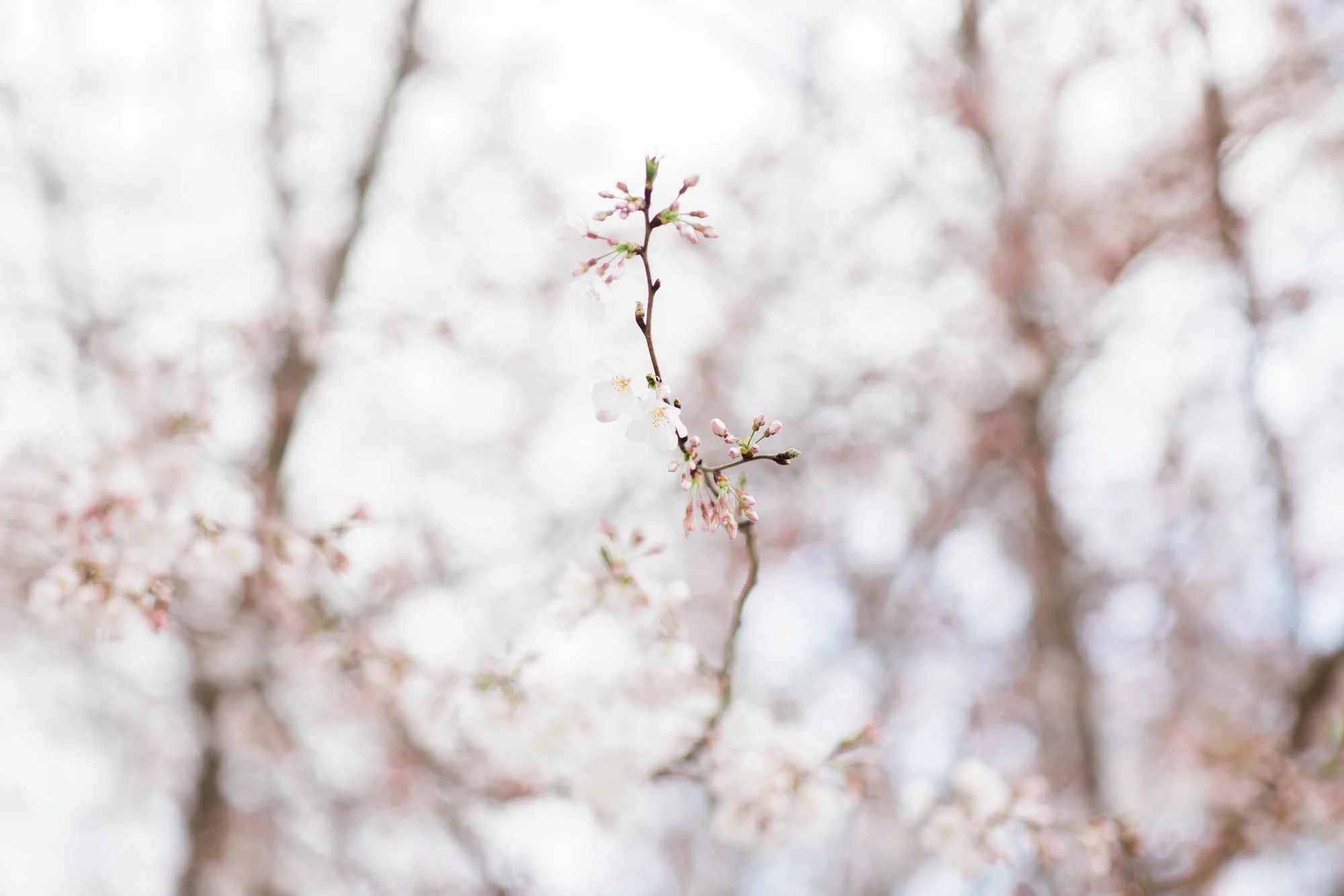
Seasonal flowers are usually fresher, more resilient and easier for local florists to source. They also give your portraits a natural connection to the time of year. Spring weddings may suit sweet peas, anemones, ranunculus and flowering branches, while summer celebrations can lean into garden roses, dahlias, cosmos and textural greenery.
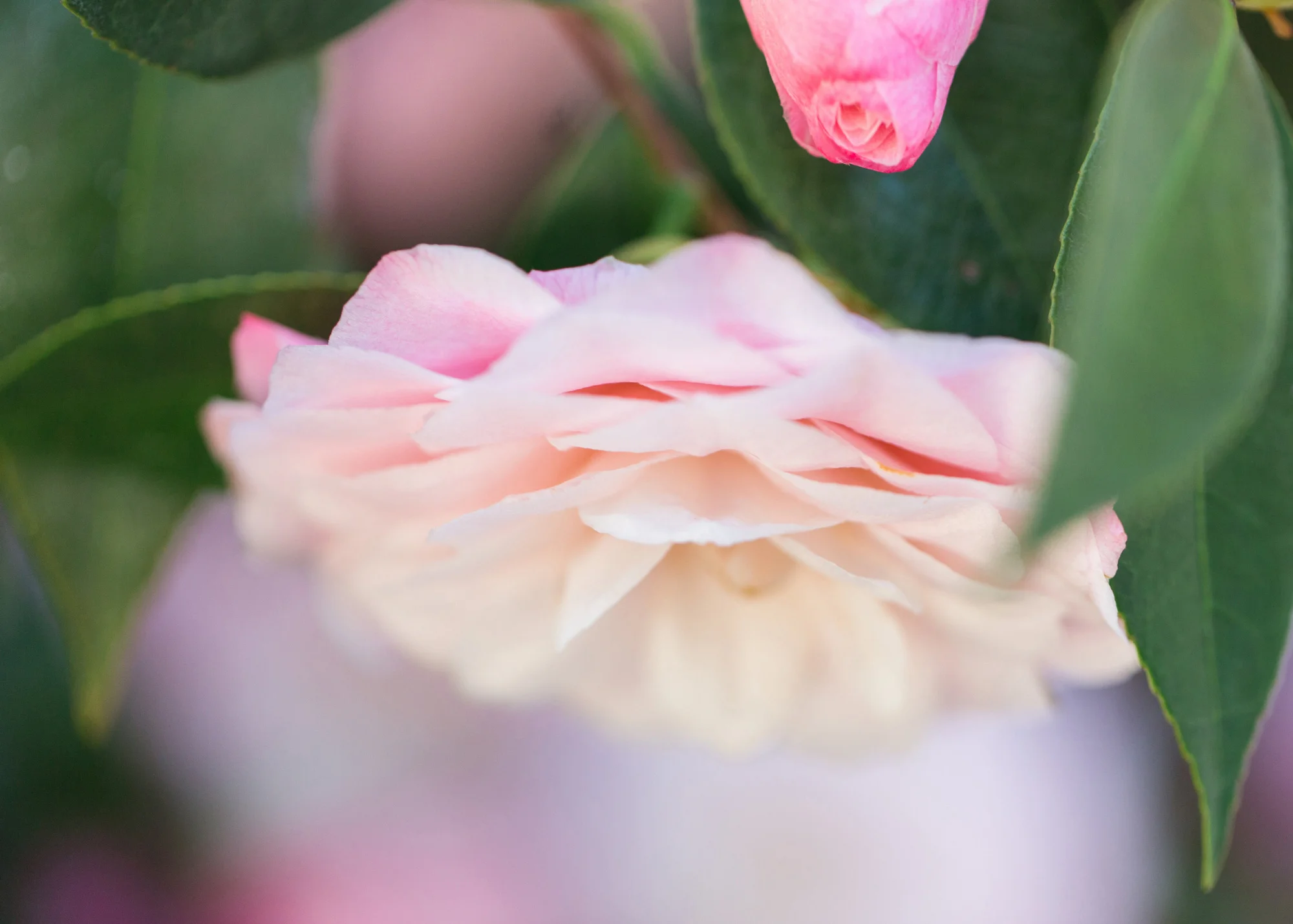
Autumn brings warm tones through chrysanthemums, disbud blooms, dahlias and rust-coloured foliage. In winter, hellebores, camellias, native foliage and sculptural branches can create a rich, layered look. Australian natives such as eucalyptus, banksia and wattle can work beautifully across several seasons, particularly when you want the landscape to feel unmistakably local.
Match the flowers to the setting
Consider the surroundings before choosing a colour palette. Soft whites and pale greens may blend beautifully with a bright beach ceremony, while terracotta, burgundy and ochre can complement an autumn vineyard. A wedding in the Blue Mountains may suit earthy textures and native foliage, whereas a relaxed celebration near Byron Bay could call for loose, tropical-leaning arrangements.
Your flowers should also work with the architecture and light. A historic venue may benefit from classic blooms with elegant shapes, while a modern warehouse can carry bold colour and sculptural stems. Share photographs of the venue with your florist and photographer so the floral design supports the whole visual story rather than competing with it.
Let the bouquet create natural portraits
A bouquet gives your hands something comfortable to do, which can make portraits feel more relaxed. Hold it loosely at waist height, bring it close to your body, or let the stems rest against your hip. These small changes create different compositions without making the moment feel overly directed.
Ask your florist to include varied flower heights, open blooms, buds and foliage. That texture gives a photographer more to work with in close-up images, especially when sunlight passes through translucent petals. A bouquet with a little asymmetry can also feel more organic than one arranged into a perfectly even dome.
Use flowers beyond the bouquet
Seasonal blooms can appear in buttonholes, flower crowns, hair pieces, ceremony arrangements and small details held during portraits. A single stem tucked behind an ear or a few flowers carried by a flower girl can create intimate images without making the styling feel excessive.
Think about floral moments that can be photographed from different distances. A ceremony arch may frame a wide portrait, while a loose petal on a table or a posy in a bridesmaid’s hands can become a detail image. Reusing arrangements between the ceremony and reception is common in the Australian wedding market and can make the floral budget work harder.
Add movement to the floral story
Flowers look especially expressive when they move with the couple. Walking with a bouquet, turning in a breeze or lifting the stems slightly as you laugh can create photographs that feel spontaneous. This works well with loose arrangements, trailing ribbons and foliage that catches the air.
A photographer who observes rather than constantly interrupts can allow these moments to unfold naturally. Techniques such as natural movement can help turn a simple stroll into a series of lively, candid portraits. The result is less about holding a pose and more about capturing your connection.
Plan for Australian weather
Heat, strong sun and sudden rain can affect flowers quickly, particularly during an outdoor ceremony. In parts of Queensland and New South Wales, summer temperatures may be high enough to wilt delicate blooms before the portrait session begins. Your florist may recommend hardier varieties, water vials or a second bouquet for photographs.
A wet-weather plan matters in places such as Melbourne, where conditions can change quickly, and on exposed coastal properties around Sydney or the Mornington Peninsula. Ask whether arrangements can be moved into shade, and schedule portraits during softer morning or late-afternoon light where possible. A covered verandah, olive grove or sheltered garden can provide beautiful alternatives to an open lawn.
Coordinate with your photographer
Share your floral brief before the wedding day, including the bouquet style, ceremony installations and any meaningful flowers. This lets the photographer anticipate opportunities for wide venue images, family portraits, quiet couple photographs and close details. If a particular bloom has sentimental value, mention it so it receives thoughtful attention.
Timing also matters. In Australia, many ceremonies begin in the late afternoon to avoid the harshest light and make the most of golden hour. Build in enough space for portraits after the ceremony without rushing through them. A few extra minutes can allow the photographer to capture the bouquet in motion, the couple walking through the grounds and the small expressions that happen between formal photographs.
Your flowers do not need to be elaborate to make an impression. A seasonal posy, a handful of native stems or one carefully chosen bloom can add meaning to an image. The strongest portraits come when the flowers feel like part of your surroundings, your relationship and the way you naturally move through the day.
Choose blooms that can cope with your location and climate, then let their colour, texture and movement support the photographs rather than dictate them. What the reader should remember is simple: the best seasonal flowers make wedding portraits feel rooted in the place, the moment and the people being photographed.