

A Bridal Bouquet Made for Beautiful Wedding Photographs
A bouquet is one of the most photographed details of a wedding day. It appears during the walk down the aisle, in close portraits, beside the rings and invitations, and in candid moments when you hold it loosely at your side. Planning a bridal bouquet that photographs well from every angle means balancing colour, texture, movement and comfort rather than choosing flowers based on appearance alone.
For Australian weddings, the setting matters just as much as the blooms. A bright Sydney ceremony, a humid Brisbane garden wedding, a windswept coastal celebration near Perth or a cool Melbourne venue will each affect how flowers look and behave. Your bouquet should suit the season, your dress and the natural-light conditions your photographer will be working with.
Begin with shape, scale and your dress
The silhouette of the bouquet should complement the lines of your outfit. A rounded posy can echo a fitted gown, while a loose, asymmetrical arrangement works beautifully with relaxed linen, silk or a flowing skirt. A cascading bouquet adds movement to a simple dress, but it needs enough structure to remain elegant in both full-length portraits and close detail images.
Scale is especially important. A small bouquet may disappear against a full skirt or in wide photographs outside a country venue. An oversized arrangement can hide the waistline, sleeves or intricate bodice details. Ask your florist to consider your height, the width of the dress and how the flowers will look when held at hip level, in front of the bodice and slightly away from the body.
Select flowers for Australian light and climate
Natural light reveals every layer of a bouquet, including bruised petals, dark gaps and foliage that reads as flat on camera. Soft whites, blush, peach, dusty blue and warm apricot usually create gentle tonal variation, while one deeper shade can add definition. An arrangement made entirely from similar pale flowers may lose its shape in bright outdoor light, so include different petal forms and a small amount of contrast.
Local conditions should guide flower selection. Tropical flowers and sturdy foliage can be practical for a Queensland summer, while native banksia, gum, wattle or flannel flower can connect a bouquet to an Australian landscape. In Melbourne, where the weather can shift quickly, flowers with firm stems and a water source until the ceremony are sensible. Your florist can also recommend seasonal varieties available through local growers rather than relying on expensive out-of-season imports.
Add movement and texture without visual clutter
A camera captures the bouquet from above, below, side-on and in close-up. Fine grasses, trailing jasmine, herbs, vines or airy foliage can create attractive movement when you walk, but too many fine elements may look untidy against a detailed gown. Use a clear focal point, then add a few directional stems that create a natural edge.
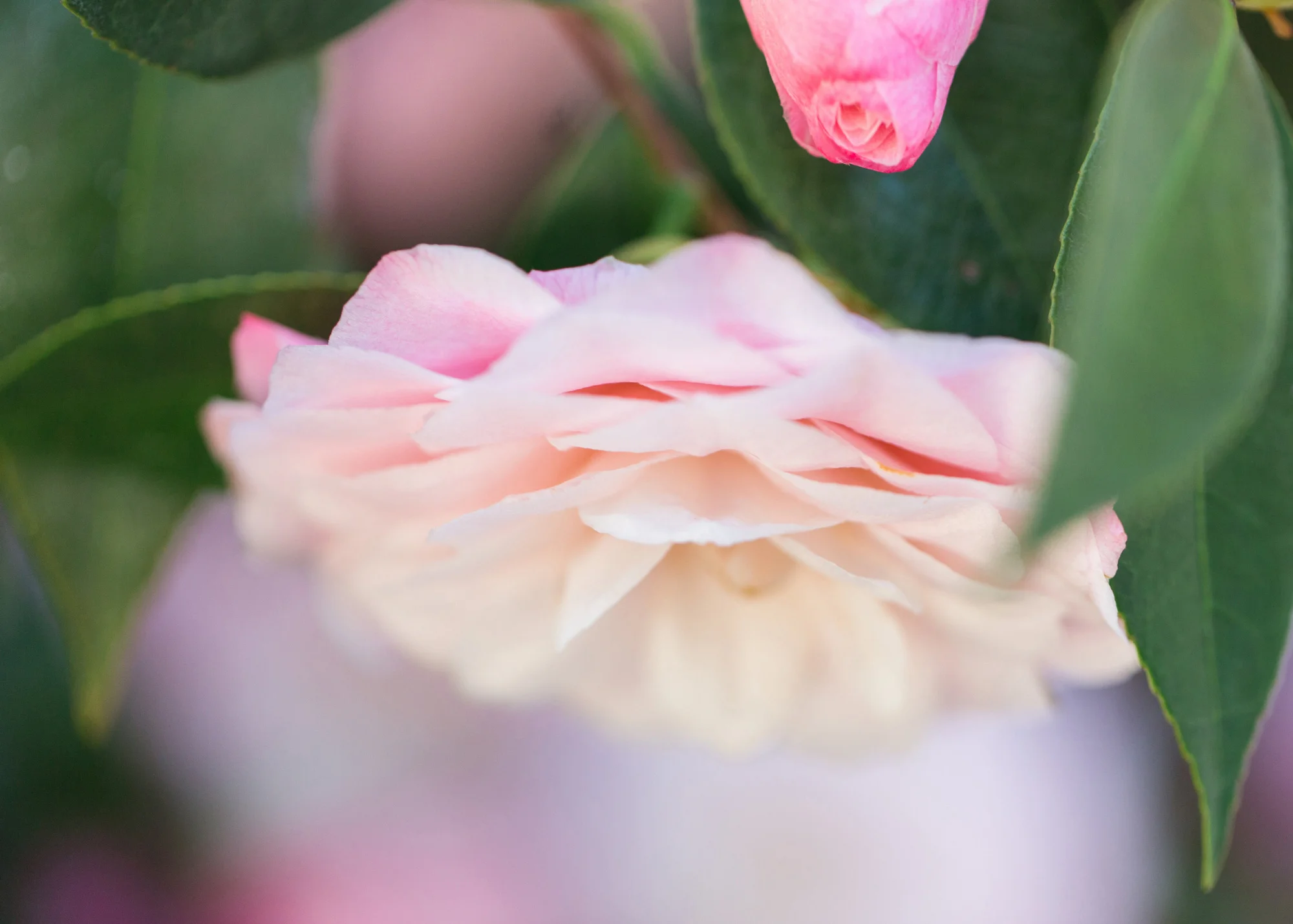
Texture gives photographs depth. Combine rounded blooms with ruffled petals, berries, seed heads or matte leaves, and avoid arranging every flower at the same height. The back of the bouquet deserves attention too: it may be visible when you hold it during the ceremony or turn towards your partner. Ask for a balanced reverse side and stems wrapped neatly enough to be held comfortably for several hours.
Design for portraits, ceremony and candid moments
A strong bouquet should work in several positions. When held low, it should frame the dress rather than cover it. When lifted slightly, the flowers should sit below the face so expressions remain visible. For ring photographs or getting-ready images, small details such as a distinctive petal, ribbon texture or unusual leaf give the photographer something meaningful to include in a close composition.
Consider how the bouquet will move through the day. Heavy arrangements become difficult during a long ceremony, while fragile petals may deteriorate during outdoor portraits. This is particularly relevant for Australian beach weddings, vineyard celebrations in South Australia and warm summer receptions where flowers may be exposed to wind, heat and direct sun.
| Bouquet feature | Photographic benefit | Practical consideration |
|---|---|---|
| Varied flower shapes | Creates depth in close-ups and wide portraits | Balance statement blooms with quieter fillers |
| Asymmetrical outline | Adds movement and a relaxed editorial feel | Keep one stable side for easy handling |
| Contrasting foliage | Defines pale flowers in strong light | Avoid foliage that quickly wilts or browns |
| Long trailing stems | Looks dynamic while walking | Secure delicate pieces for wind and hugs |
| Textured ribbon wrap | Adds detail to hand and ring photographs | Choose a grip that will not become slippery |
| Seasonal Australian flowers | Connects the bouquet to place and time | Confirm availability with the florist early |
Coordinate the bouquet with the whole wedding
The bouquet does not need to match every floral detail exactly. Repeating one colour from the bridesmaids’ outfits, ceremony arrangements or table styling is usually enough to make the design feel intentional. If the venue has strong colours, such as red brick, sandstone or dark timber, choose flowers that stand apart from the background rather than blending into it.
A bouquet also benefits from a clear handling plan. Decide where it will rest during the signing, whether it will be passed to a member of the wedding party and how it will be kept hydrated before portraits. If you are planning a traditional bouquet toss, ask for a smaller throwing bouquet so the main arrangement stays intact for photographs and preservation.
A practical bouquet checklist
- Choose a shape that leaves the dress, face and waistline visible.
- Include at least three distinct textures or flower forms.
- Check that the colour palette has enough contrast for bright outdoor light.
- Select seasonal flowers suited to the wedding location and temperature.
- Request a comfortable handle with secure, non-slippery ribbon.
- Photograph or sketch the bouquet from the front, side and back before final approval.
Make the final design easy to photograph
Share your dress details, venue images and ceremony plans with the florist, along with examples of bouquets you genuinely like. A professional photographer can also explain how natural light, movement and candid coverage will affect the final gallery. At Viki Sears Photography, a natural wedding approach can help you think beyond a single posed bouquet portrait and plan for the quiet, unscripted moments where flowers become part of the story.
Before the wedding, confirm the delivery time, water arrangements, ribbon colour and any substitutions permitted by the florist. On the day, hold the bouquet with relaxed hands and angle the flowers slightly outward rather than pressing them flat against the dress. Send your florist the final dress and venue references, then approve a design that has been checked from the front, side and back.