

Choosing a bouquet that photographs beautifully in natural light
When couples ask how to select a bouquet that photographs well in natural light, the answer begins with the venue, timing and dress rather than a fixed flower list. Colour, scale and foliage affect portraits and candid moments throughout the wedding day.
Australian wedding locations can experience sharp changes in brightness, from harsh afternoon sun to soft, shaded reception areas. A bouquet that seems balanced at the florist may look quite different beside an ocean view in Byron Bay, beneath trees in the Blue Mountains or during golden-hour light at an Adelaide Hills venue.
Start with the light at your venue
Consider where the bouquet will be photographed and when. Open shade usually reveals colour and texture evenly, while direct sunlight can make white petals appear dazzling and deepen strong reds, corals and purples. Ask whether the ceremony faces north, east or west, and note any nearby trees, walls or buildings that will reflect light back towards the couple.
Backlighting can be particularly flattering when petals are thin or slightly translucent, but it can also turn dense flowers into a dark silhouette. Test the design in bright shade and strong backlight if possible. This matters at venues where the bouquet moves between an outdoor ceremony, a dim reception and a sunlit farewell.
Build a palette that holds its shape
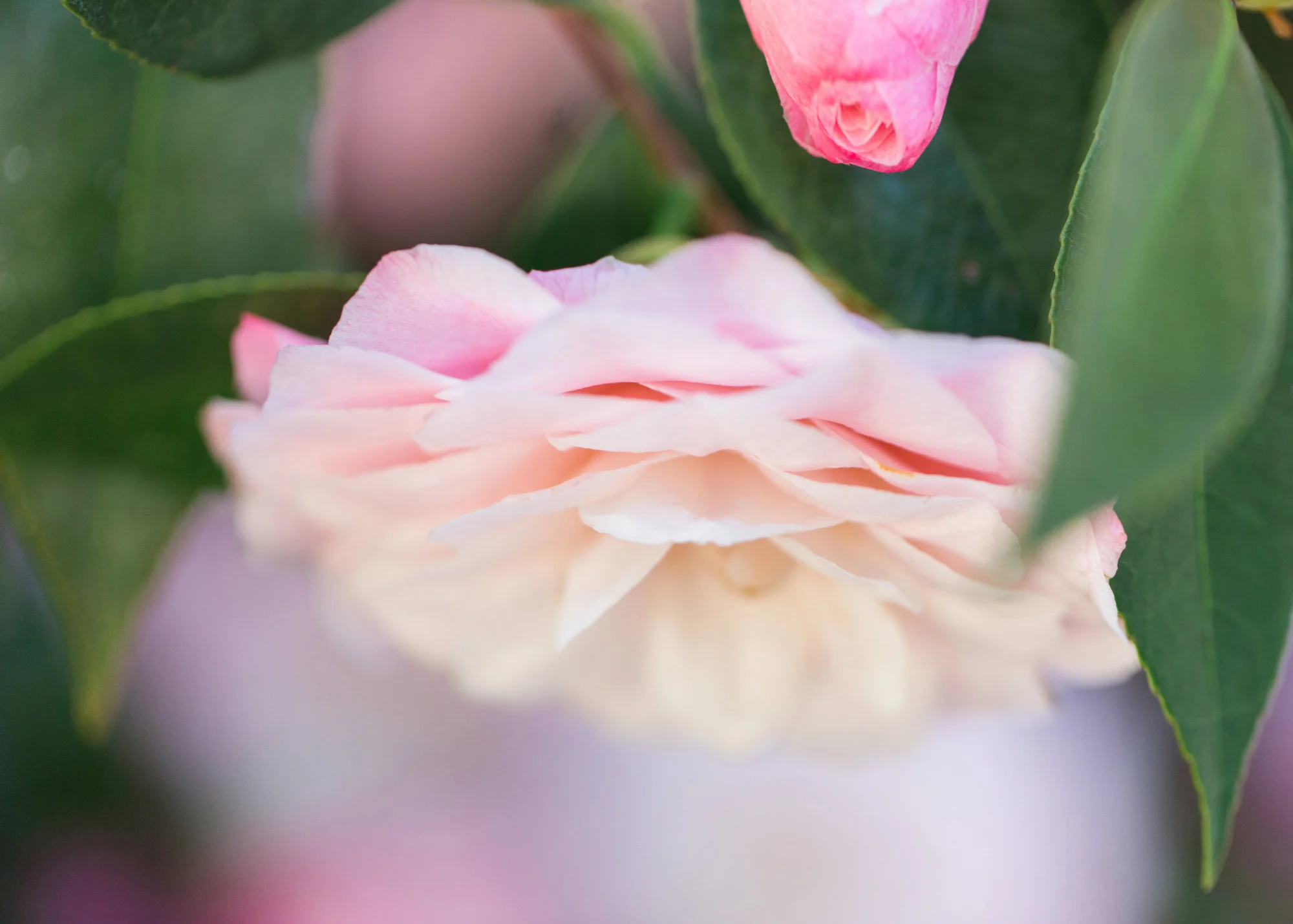
Coordinate the bouquet with the dress, skin tone and surrounding scenery rather than choosing flowers independently. A soft palette can disappear against pale dresses or sandstone, while a dark bouquet may create a heavy block beneath the face. Clear stems, lighter flowers near the face and deeper tones lower in the design often produce better balance.
Texture helps a restrained palette feel interesting in photographs. Greenery, seed heads and sculptural blooms create definition without relying on excessive colour. Keep large leaves away from faces, as their shadows can fall across shoulders and eyes under bright natural light.
| Palette or style | Useful blooms and foliage | Effect in natural light | Potential issue |
|---|---|---|---|
| Soft and pale | Cream roses, lisianthus, tulips and jasmine | Reflects open shade and suits light dresses | Can lose detail in direct sun |
| Fresh and green | Eucalyptus, ferns, hydrangea and green roses | Creates an organic, relaxed appearance | Dark greenery may obscure faces |
| Warm and saturated | Coral roses, dahlias, ranunculus and tulips | Holds colour strongly in shade and golden light | Strong shades can dominate a portrait |
| Textural and native | Grevillea, waratah, pincushion protea and gum foliage | Adds distinctive shape and movement | Oversized stems can cast harsh shadows |
Account for Australian seasons and sourcing
Flowering windows do not follow one national calendar. Queensland, New South Wales, Victoria, South Australia and Tasmania have different seasons, while even one region can vary between the coast and inland areas. A flower that is readily available in Melbourne during a mild autumn may be difficult to source for a Queensland winter wedding.
Australian florists often work with seasonal blooms, cultivated natives and flowers arriving through established local growers and wholesalers. Waratah and grevillea can provide memorable texture, but their size and stem weight require careful planning. Responsibly sourced material should replace any temptation to collect protected native plants from the wild.
Venue restrictions may also affect the final design, particularly at national parks, botanical reserves and properties with strict access rules. Non-invasive flowers without loose pollen or seed can be preferable in sensitive settings. Checking these details early gives the florist more freedom when selecting seasonal substitutes.
A practical florist brief
In the Australian wedding market, photographers and florists are commonly engaged as separate suppliers, while the florist may deliver directly to the venue. Have a yarn with both professionals before flowers are ordered so that the bouquet size, transport method and photography schedule are understood by everyone involved.
A useful brief identifies the colour palette, approximate stem count, desired shape and any flowers to avoid. It should also account for the couple’s height, the dress neckline, carrying comfort and how the bouquet will be held during the ceremony and group photographs.
- Choose a generous shape for open portraits, but keep the stems light enough for comfortable carrying
- Mix two or three main colours with restrained foliage rather than using many competing shades
- Include one textural flower or foliage variety for visual definition in close-up images
- Check the bouquet against the dress and venue colours in daylight before final approval
- Confirm delivery time, stem count and who will transfer the flowers from the ceremony to the reception
Keep the final sample with the wedding coordinator or photographer so it can be compared with the dress, invitations and venue styling. Small differences in seasonal stock should remain within the agreed palette rather than becoming unexpected surprises on the day.
The memory the bouquet can hold
A photographally effective bouquet does not need to be the largest or most expensive arrangement. It needs proportion, colour balance and a shape that complements the people beside it. Soft flowers can feel timeless in shaded gardens, vivid seasonal blooms can suit bright coastal ceremonies, and native textures can give a restrained design a distinctly Australian character.
The flowers worth remembering are the ones that supported the day’s atmosphere without distracting from it. When the bouquet suits the light, the dress and the setting, it becomes more than a decorative accessory: it holds the warmth, movement and personality of the wedding in images that can be revisited for years.