Negative space in portraits for a modern editorial feel
Negative space can make a portrait feel calm, considered and visually expensive. Rather than filling every part of the frame with detail, the photographer leaves deliberate areas of sky, wall, shadow or landscape around the subject. This breathing room gives the image an editorial quality while keeping attention on expression, posture and mood.
The technique suits natural-light photography especially well. It can turn an ordinary setting into something refined, whether the portrait is made in a quiet Georgia street, beside a coastal path in Sydney or against the clean architecture of Melbourne. The strongest results come from treating empty space as an active part of the composition, rather than as leftover background.
Let the empty area carry visual weight
Negative space works when it balances the subject. A person placed near one edge of the frame can create a sense of movement, anticipation or quiet thought, particularly when they are looking towards the open area. Space behind the subject can feel more restful, while space in front of their gaze suggests possibility and direction.
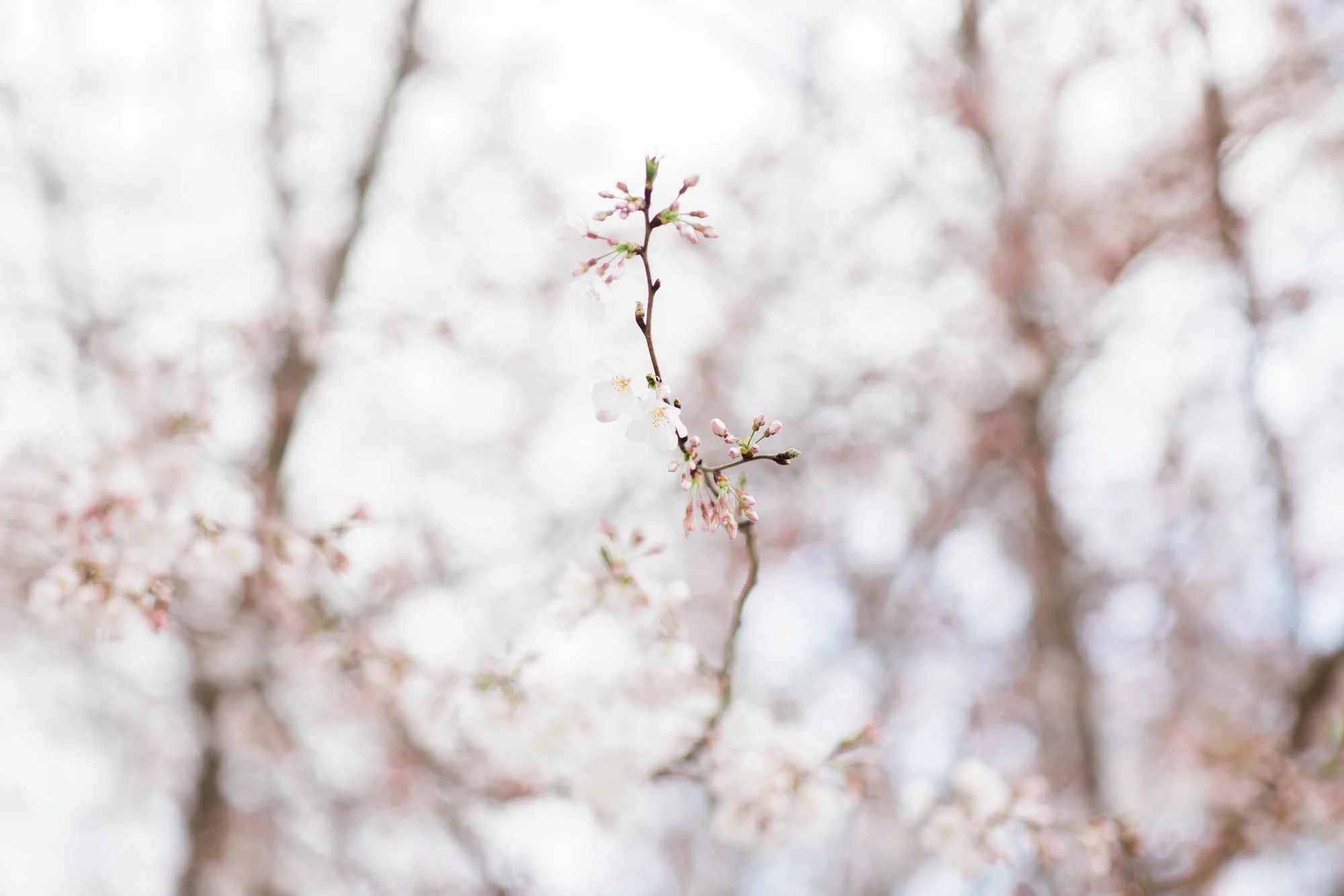
The shape of the empty area matters as much as its size. A broad section of pale wall creates a different mood from a narrow strip of dark foliage. Before taking the photograph, look for the relationship between the subject’s outline and the surrounding shapes. A clean gap around the head, shoulders and hands will usually feel more intentional than a background crowded with competing lines.
Find backgrounds with a quiet structure
A modern editorial portrait does not require an elaborate location. A rendered wall, concrete staircase, open field or uninterrupted section of beach can provide enough structure. Search for simple planes, repeated lines and restrained colours that support the person without competing with them.
In Australian cities, apartment façades, laneways and public galleries can offer this kind of setting, while suburban fences and verandas may create a more personal atmosphere. Check the background for poles, signs, parked cars and bright patches that could pull attention away. A small shift in camera position can remove a distraction and make the frame feel carefully designed.
Direct the pose without losing authenticity
A spacious composition still needs a natural human presence. Give the subject a simple action instead of a rigid pose: walk slowly, adjust a sleeve, turn towards the light or rest a hand against a wall. These movements create believable body language and help the portrait retain the candid quality associated with documentary photography.
Direction can also shape the empty space. Turning the shoulders slightly, lowering the chin or placing the hands away from the torso can create a clearer silhouette. For couples, leave a measured gap between bodies when the mood calls for tenderness and anticipation; bring them closer when the image should feel intimate. The space between people can communicate as much as their expressions.
Use light to separate the subject
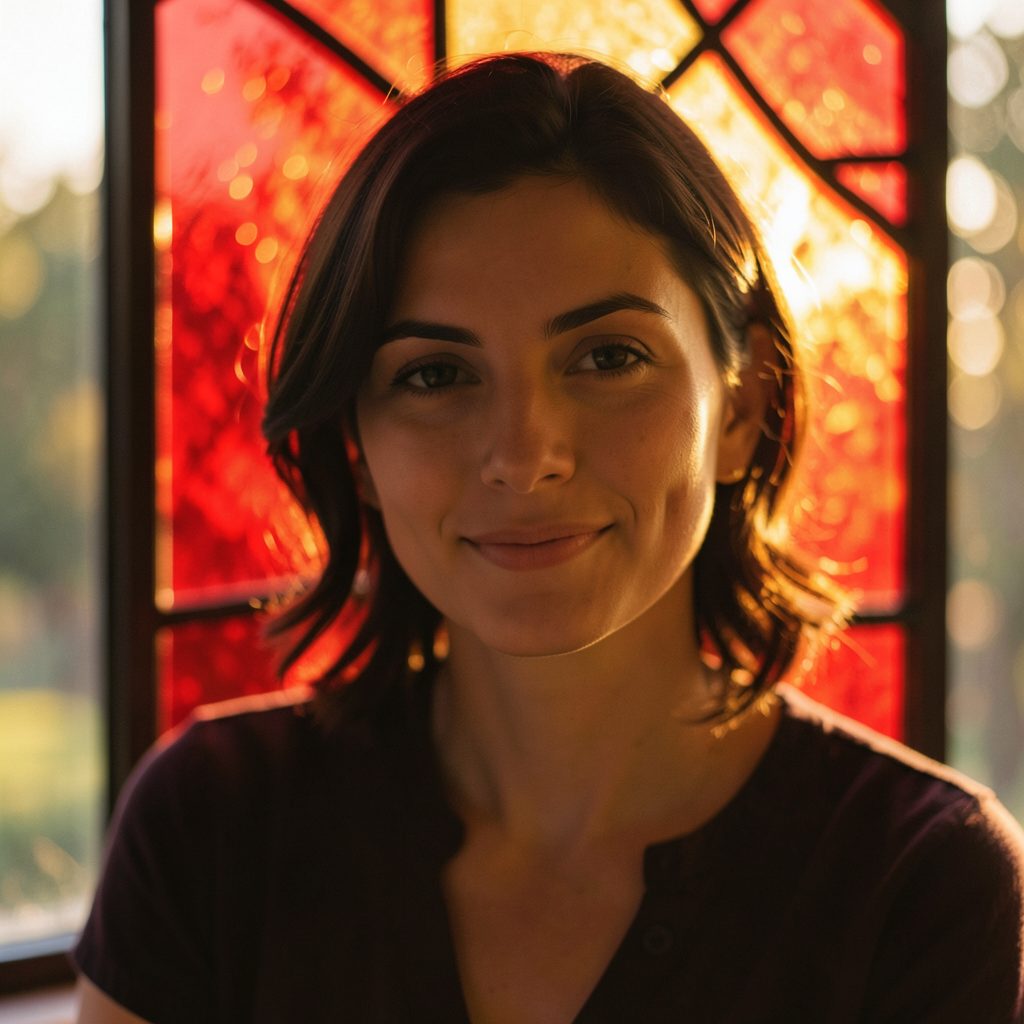
Natural light is particularly effective when the background is simple. Soft side light can define the face while allowing a large area of wall or landscape to fall into gentle shadow. Backlighting can produce an airy, fashion-inspired frame, especially when the open area contains pale sky or softly blurred foliage.
Watch the exposure carefully when the composition includes a bright Australian sky or sunlit sand. Expose for skin tones, then use the open space as a tonal counterweight. Early morning and late afternoon often provide softer contrast, while harsh midday light can be used deliberately beneath awnings, along shaded buildings or under broad trees.
Shape the frame for the final use
Think about where the portrait will appear before choosing the crop. A vertical image with generous space above the subject may work well for a magazine-style spread or a mobile story. A horizontal frame with the person positioned to one side can leave room for text on a website, album page or wedding stationery.
This is useful in Australia’s active portrait and wedding market, where images may be shared across Instagram, digital galleries and printed albums. Keep important details away from the extreme edges, since different platforms crop images differently. Capture a wider version as well as a closer frame so the final collection has flexibility without losing the intended composition.
Make the approach respectful and client-focused
Negative space should reflect the person’s comfort and personality, not impose a fashionable look on every session. Some clients will feel confident in a bold architectural frame; others may connect more naturally with an open paddock, a family home or a familiar beach. A short conversation about clothing, location and the mood they want will guide the visual choices.
Permission and image use also deserve attention. In Australia, photographers should handle personal information and identifying images with care under the Privacy Act 1988, while written agreements should clearly explain portfolio, social media and advertising use. Public locations may have their own rules, and popular sites in Sydney, Melbourne and other major cities can require permits for professional shoots. Clear arrangements protect the client experience and keep the creative process relaxed.
A modern editorial portrait often begins with a simple decision: leave part of the frame quiet and allow that quietness to speak. Before the next session, make one test frame with the subject placed near an edge, then adjust only the background and the direction of their gaze.