
Negative space for natural, emotional portraits
A strong portrait does not need to fill every corner of the frame. The open areas around a person can create calm, intimacy, movement, or even a sense of possibility. When used with intention, negative space helps the subject feel more connected to the setting rather than simply placed in front of it.
For wedding, engagement, couples, and family photography, this approach supports an authentic visual style. Natural surroundings, soft light, and unforced expressions become part of the story. A quiet stretch of sky, an open field, or a bright wall can give a candid moment room to breathe.
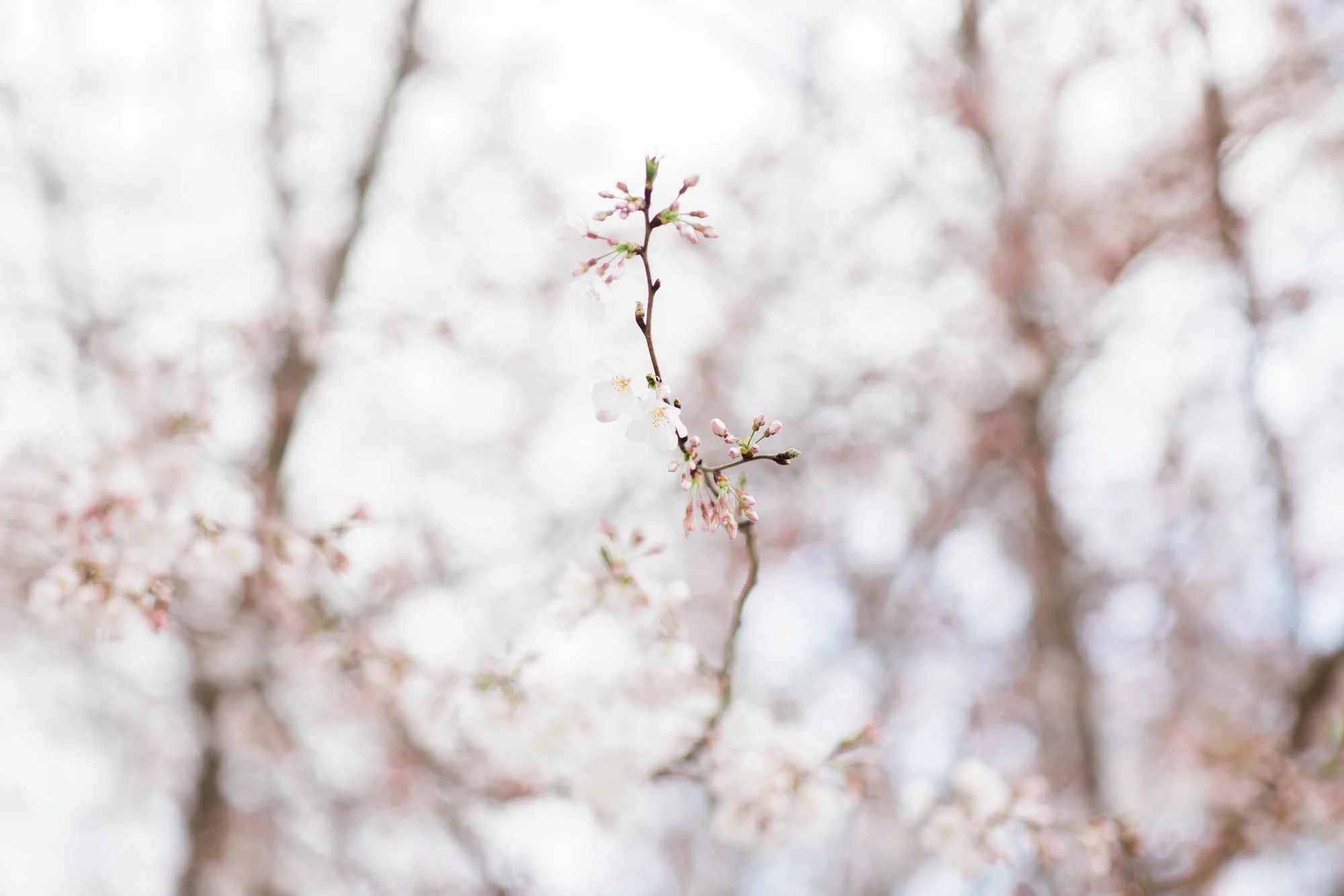
Negative space is the area that surrounds and separates the main subject. It may be empty, softly textured, shadowed, or visually simple. The goal is not to leave random blank space, but to use that space to strengthen attention, emotion, and composition.
Why empty space matters in portraiture
A crowded portrait can compete with the person at its center. Background details, strong patterns, and hard lines may pull the viewer’s eye away from a couple’s expression or a family’s interaction. Simplifying the frame gives the subject greater visual importance without making the image feel staged.
Open space also influences the emotional tone of an image. A portrait with generous space can feel peaceful, reflective, elegant, or expansive. A closer crop with very little surrounding area may feel intimate and energetic. The amount of breathing room becomes part of the message.
This is especially effective in documentary-style wedding photography. A bride looking toward a bright window, newlyweds walking across an open lawn, or a child standing beneath a wide Georgia sky can all benefit from a composition that allows the environment to support the moment.
Choose a frame that breathes
The best background is often simpler than expected. Look for uncluttered walls, open fields, quiet sections of a venue, long corridors, beaches, or areas where light falls evenly. These locations provide visual breathing room while preserving a sense of place.
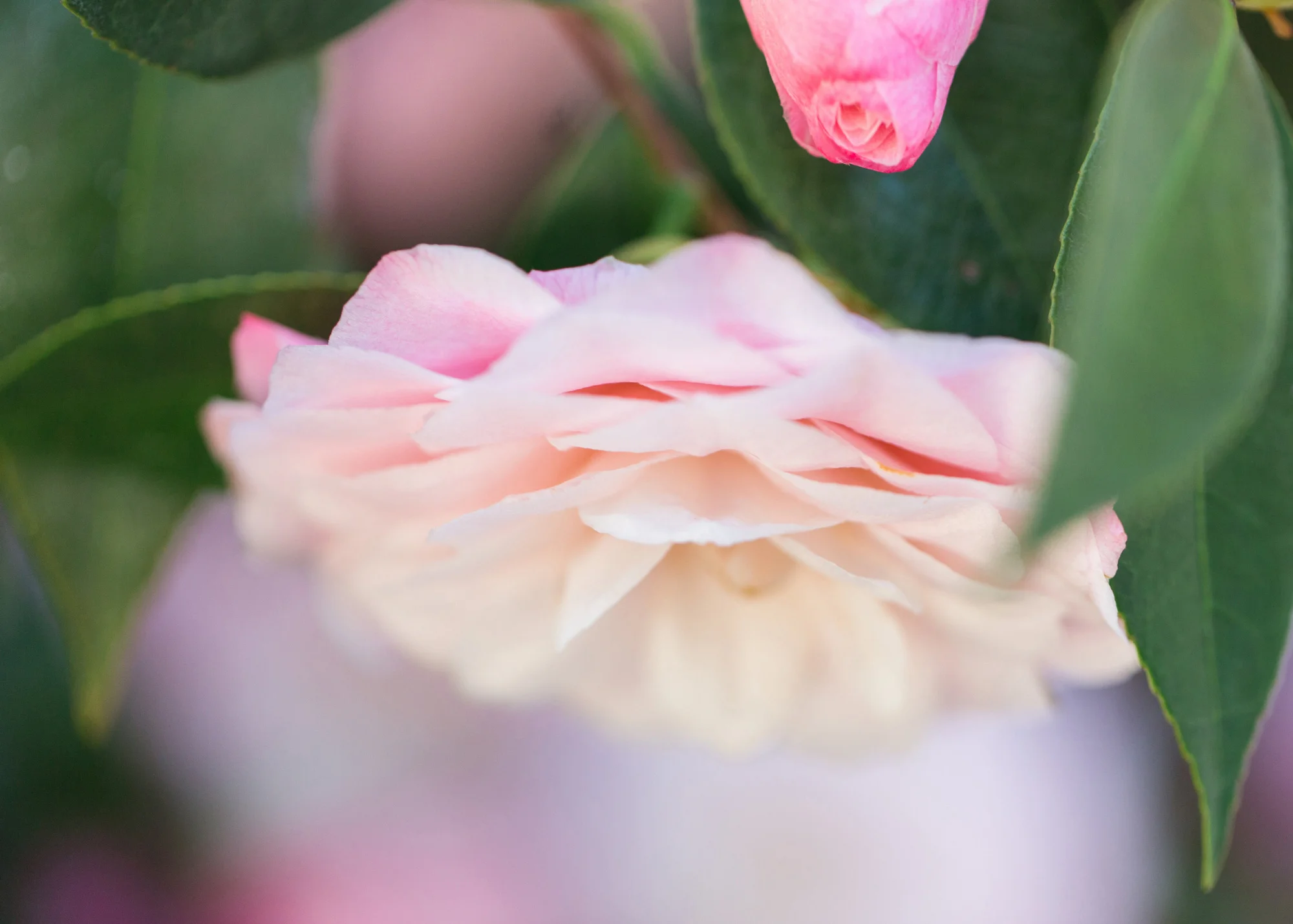
Negative space does not have to be completely blank. Foliage, weathered architecture, distant trees, or a softly blurred reception setting can add context without overwhelming the subject. A shallow depth of field is useful when the surroundings matter emotionally but need to remain secondary.
Pay attention to the shape of the open area. A large space above the subject can suggest height or contemplation, while space beside a person can imply direction. If someone is looking or walking toward one side of the frame, leaving room in that direction often makes the image feel more natural.
Place the subject with intention
Centering a person is not always a mistake. A centered portrait can feel balanced, formal, and powerful when the background is symmetrical or visually calm. For a more dynamic composition, placing the subject off-center can create tension and guide the viewer through the image.
The rule of thirds is a helpful starting point, but it should not control every decision. Consider the subject’s posture, gaze, movement, and relationship with others. In a couples portrait, the space between two people can emphasize connection. In a family photograph, open space around the group can highlight their shared presence.
Leave room near the edges of the frame, especially around hands, feet, veils, and flowing clothing. A small amount of extra space makes natural movement feel less restricted and gives the photographer more flexibility when selecting the final crop.
Match the space to the mood
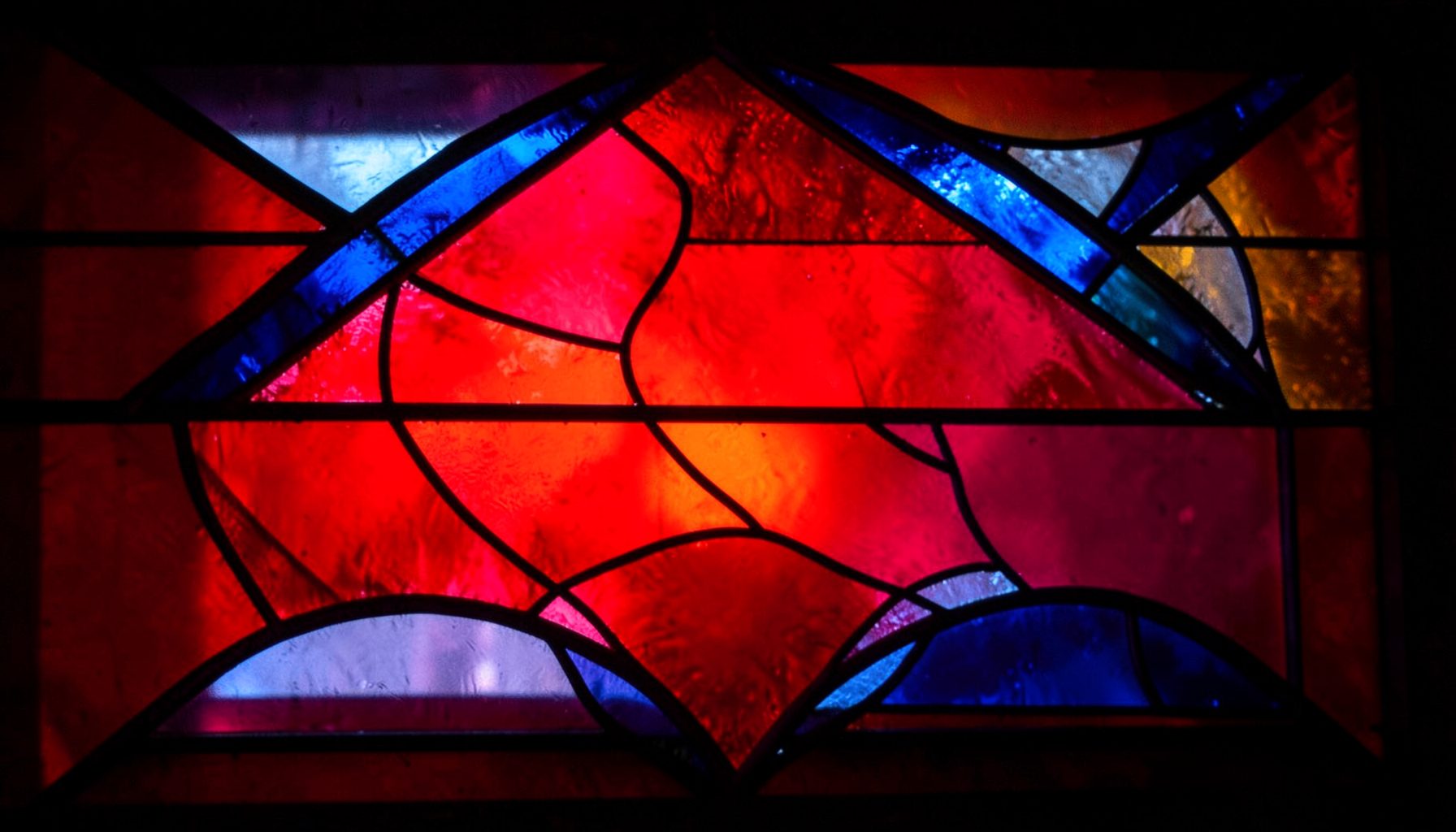
Light, color, and texture determine whether negative space feels warm, dramatic, playful, or serene. Pale skies and soft neutral walls create an airy effect, while deep shadows can add mystery and emotional weight. A broad area of warm sunset light may make a simple portrait feel romantic without requiring elaborate posing.
The following approaches can help connect the background to the story being told:
| Approach | Visual effect | Useful for |
|---|---|---|
| Open sky or bright wall | Airy, peaceful, spacious | Bridal portraits and reflective moments |
| Soft greenery or distant landscape | Natural, relaxed, connected to place | Engagement and couples sessions |
| Deep shadow or dark background | Dramatic, intimate, focused | Editorial portraits and quiet details |
| Open path or shoreline | Direction, movement, anticipation | Walking portraits and candid moments |
| Minimal interior setting | Clean, modern, emotionally direct | Family and personal branding portraits |
Color relationships matter as well. A neutral background can make clothing and skin tones stand out, while a similar background color can create a softer, more unified appearance. In natural-light photography, observing how the light changes across a location is often more valuable than adding extra equipment.
Let the environment tell part of the story
A portrait can show more than a face. It can reveal where a couple feels comfortable, how a family interacts with a place, or what a wedding day felt like beyond the central ceremony. Negative space gives these environmental details enough presence to become meaningful without taking over.
For example, an engagement session near a quiet trail might use the surrounding trees to frame a couple at a distance. A wedding portrait may include an open venue courtyard, a long line of windows, or a wide landscape that reflects the scale of the celebration. The subject remains central, but the setting adds memory and context.
The technique also works for candid images. Rather than directing every movement, a photographer can watch how people naturally occupy a space. A pause, glance, or burst of laughter often feels more authentic when it is surrounded by an uncomplicated environment.
Adapt the composition to each session
Every portrait session calls for a different balance of closeness and openness. Families may need enough space to move and interact, while an intimate couples session may alternate between broad environmental frames and close expressions. Variety creates a fuller gallery and allows each image to serve a different purpose.
When photographing weddings, use wide compositions to establish the atmosphere and tighter portraits to preserve emotion. An open frame can show the location, weather, architecture, or landscape, while a closer image records a hand squeeze or shared glance. Together, these perspectives create a visual narrative of the day.
A few practical ways to find stronger negative space include:
- Scan the edges of the frame for poles, signs, bright objects, and distracting patterns.
- Move your position before asking the subject to change theirs.
- Look for clean areas of light, shadow, sky, or texture.
- Use the subject’s gaze and movement to determine where extra space should remain.
- Capture both wide environmental portraits and closer variations at the same moment.
The most effective use of open space feels deliberate but never forced. It gives emotion room to unfold, keeps attention on real relationships, and allows the setting to remain part of the memory.
For natural-light portraits in Georgia and beyond, thoughtful composition can turn an ordinary background into an important part of the story. Explore the featured work from Viki Sears Photography and get in touch to plan a wedding, engagement, couples, portrait, or family session shaped around genuine connection.