How Breathing And Movement Shape Natural Portraits
A compelling portrait feels alive because the person in front of the camera feels present. That sense of presence rarely comes from holding a perfect pose for several minutes. It grows from relaxed breathing, subtle shifts in posture, natural gestures, and the freedom to respond to the person or setting nearby.
Breathing and movement give a portrait session a rhythm. A slow exhale can soften tense shoulders, while a small step, turn, or change of focus can create genuine expression. These details help photographs feel personal rather than overly arranged.
At Viki Sears Photography, an authentic approach to portraiture allows emotion and connection to guide the session. Whether the setting is a Georgia wedding venue, an outdoor engagement location, or a family’s favorite place, gentle direction can preserve the individuality of every person being photographed.
Breath Creates Presence
Many people become aware of their face and body as soon as a camera appears. They may hold their breath, tighten their jaw, raise their shoulders, or freeze their hands. These reactions are natural, but they can make an image feel distant. A calm inhale and longer exhale help release some of that tension.
Photographers can encourage this without making the moment feel technical. Asking someone to pause, breathe out, and look toward a loved one often produces a softer expression than asking them to smile. The goal is not to control every detail; it is to create enough comfort for a real response to emerge.
Breathing also supports emotional portraits. A quiet breath before a partner moves closer, a laugh after a shared thought, or a deep exhale during a reflective moment can reveal character in a way that a fixed expression cannot.
Movement Replaces Rigid Posing
Movement gives the body a reason to settle into a natural position. Walking slowly, adjusting a sleeve, brushing hair away from the face, or turning toward a source of light creates small transitions that look more believable than a static pose. These actions also give hands and eyes something to do.
Effective direction is simple and specific. Instead of asking someone to “act natural,” a photographer might invite them to walk together, whisper something kind, or take a moment to look at each other. Couples often relax when they have a shared activity, and the photographer can document the connection as it unfolds. These natural interactions often become the most memorable images from a session.
Movement does not have to be dramatic. A slight lean, a change in weight from one foot to the other, or a gentle turn of the shoulders can add energy while keeping the subject comfortable. Small physical changes create variety across a gallery without losing the calm, authentic mood.
Natural Light Needs A Moving Subject
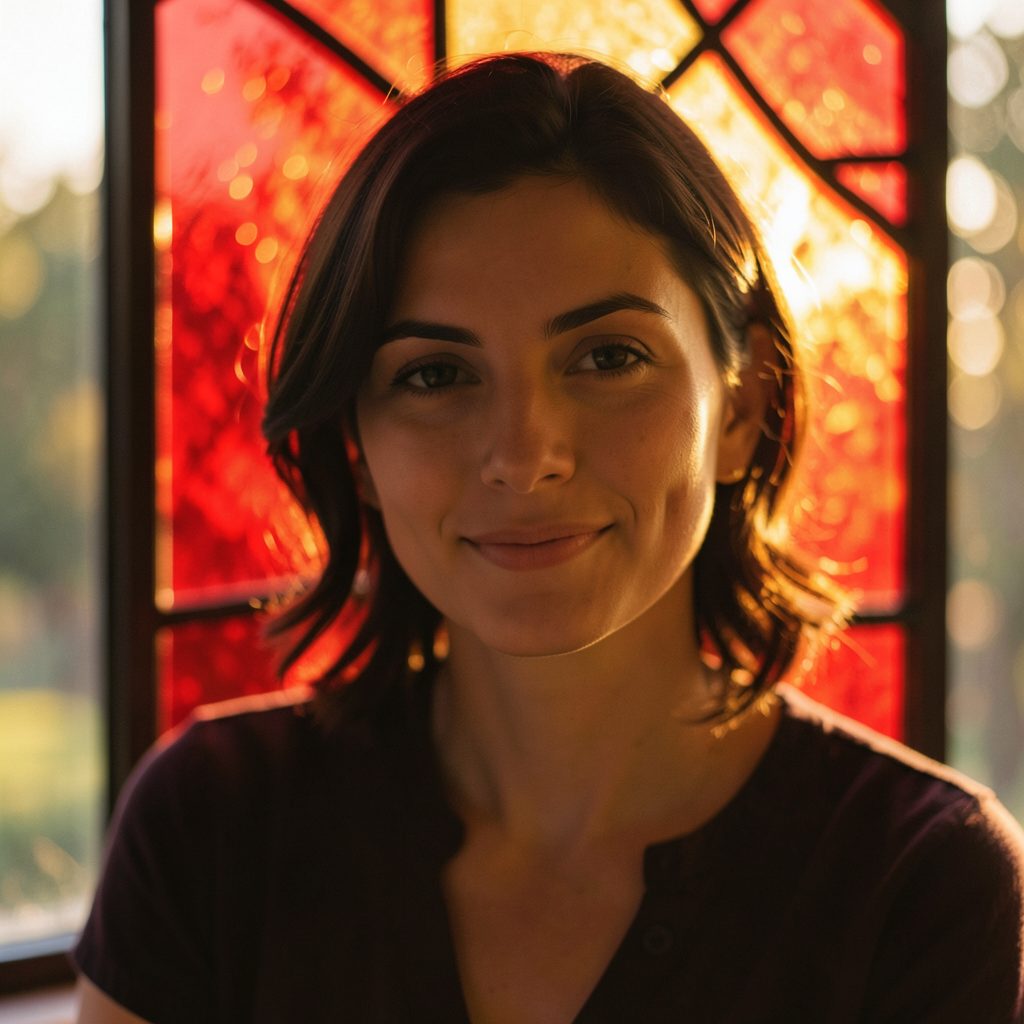
Natural light is especially responsive to movement. When a subject turns slightly toward a window, steps into open shade, or moves through a patch of evening light, the illumination changes across the face and clothing. These transitions add dimension and help the photographer work with the environment instead of forcing it.
Breathing and movement also affect the way light is received. A relaxed body reflects light differently from tense shoulders and compressed posture. An open stance may reveal the neckline and face, while a gentle turn can create flattering shadows and highlight texture in the hair.
For outdoor portraits, walking can make use of changing backgrounds and layers of light. In wedding photography, movement through a ceremony space, garden, or reception area allows images to feel connected to the day itself. The result is a visual story rather than a collection of isolated poses.
Direction For Different Portrait Sessions
Every type of portrait session benefits from movement, though the prompts should suit the people and purpose involved. An engagement session may center on walking, talking, or sharing an embrace. A family session may use games, group movement, or moments of closeness to keep children engaged and adults relaxed.
Individual portraits can be just as active. A person might adjust a jacket, turn toward the breeze, lean against a wall, or take a few steps between frames. These prompts help reveal personal style and make the final gallery feel varied without requiring advanced modeling experience.
| Session Type | Helpful Movement | Emotional Effect |
|---|---|---|
| Engagement | Walking, hand-holding, leaning close | Warmth and connection |
| Couples | Slow turns, shared laughter, gentle embraces | Ease and intimacy |
| Family | Games, walking, group cuddles | Playfulness and belonging |
| Individual Portraits | Adjusting clothing, shifting stance, turning toward light | Confidence and character |
| Wedding Day | Moving through spaces, greeting guests, dancing | Storytelling and genuine emotion |
Small Adjustments Create Stronger Images
The most effective portrait direction often involves one adjustment at a time. A photographer may first suggest relaxing the hands, then invite a small turn, and finally ask the subject to focus on someone nearby. This gradual process prevents the session from feeling like a list of commands.
Pauses are equally important. A short break between prompts gives people space to breathe, reset, and respond naturally. Some of the strongest frames happen after a direction has technically ended, when a subject laughs, looks away, or returns to a comfortable posture.
A photographer’s own pace matters too. Calm communication encourages calm movement. When the person behind the camera observes carefully and allows room for genuine reactions, subjects are more likely to trust the process and let their personality show.
Ways To Feel More Comfortable In Front Of The Camera
Preparation can make breathing and movement feel easier before the session even begins. Comfortable clothing, realistic expectations, and a location that feels meaningful all help reduce self-consciousness. Clients do not need to arrive knowing how to pose; they need permission to be themselves.
A thoughtful photographer will adapt prompts to each person’s energy, relationship, and comfort level. Consider these practical ways to support a relaxed portrait experience:
- Choose clothing that allows easy movement and does not require constant adjustment.
- Begin with walking or conversation before attempting more still portraits.
- Take slow breaths and release tension from the jaw, hands, and shoulders.
- Focus attention on a partner, family member, or nearby detail instead of the camera.
- Trust gentle direction while allowing spontaneous laughter, pauses, and movement.
Authentic portraits are built through collaboration. The photographer provides timing, observation, and guidance, while the subject brings personality, connection, and lived experience. Together, these elements create photographs that feel natural because they preserve the small movements that made the moment real.
For portraits that reflect genuine emotion in natural light, connect with Viki Sears Photography to plan a session around your story, relationships, and favorite surroundings. Availability includes weddings, engagements, couples, families, and portraits in Georgia and beyond.