
Texture and layers that give portraits depth
A compelling portrait feels dimensional even when it is presented on a flat screen. The viewer notices more than a face or pose: fabric catches the light, foliage frames the subject, and distant shapes create a sense of space. These details give the image atmosphere and help the person within it feel connected to a real place.
Texture and layers are especially valuable in natural-light photography. They can make a simple setting feel visually rich without distracting from expression. A weathered wall, soft knit sweater, veil, tall grass, or dappled shadow can add context while keeping the portrait honest and personal.
The strongest results come from balance. Background details should support the subject, not compete with them. With thoughtful styling, location choices, and camera positioning, depth becomes part of the story rather than an obvious effect.
Why depth matters in portrait photography
Depth guides the eye through an image. A foreground element may create a gentle frame, the subject becomes the visual anchor, and the background provides atmosphere. This arrangement gives the portrait layers of information, allowing the viewer to notice a mood, relationship, or setting gradually.
Flat compositions can still be beautiful, but they often feel more graphic and direct. Adding spatial separation creates a softer, more immersive quality. The subject appears to occupy a genuine environment instead of being placed in front of a background.
For wedding portraits and couples photography, this sense of space can reinforce the experience of the day. A path leading toward a ceremony site, guests blurred in the distance, or a veil moving across the frame can preserve both emotion and context.
Using texture without creating distraction
Texture gives an image tactile interest. Linen, lace, denim, velvet, wood, stone, leaves, and architectural surfaces all reflect light in different ways. Their visual qualities can complement clothing and skin tones while adding variety to an otherwise simple composition.
The key is to control contrast. A heavily patterned outfit against a busy background may make the portrait feel restless. Pairing one prominent texture with quieter surrounding elements usually creates a more refined result. Similarly, a rough surface can be balanced by soft fabric or gentle natural light.
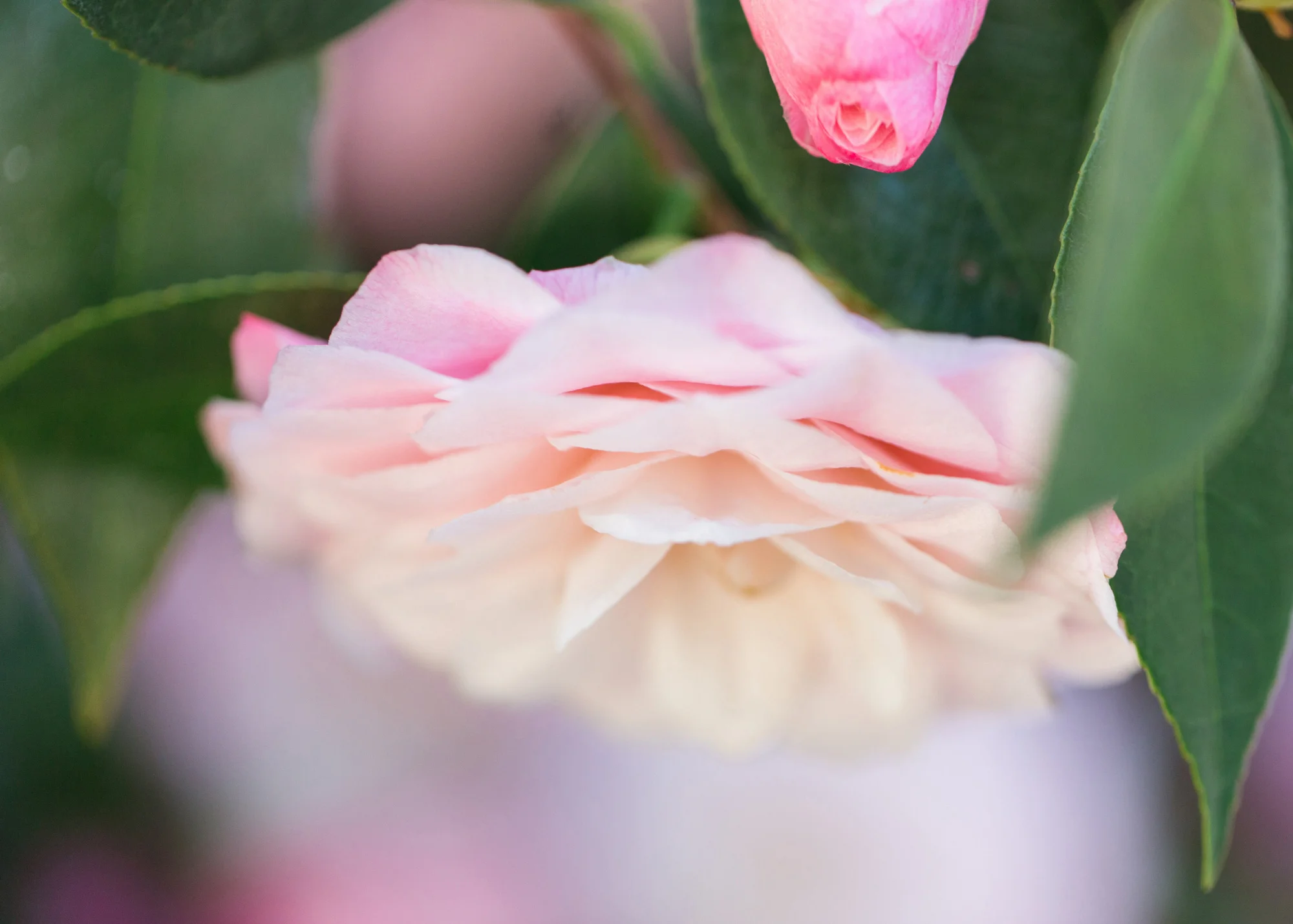
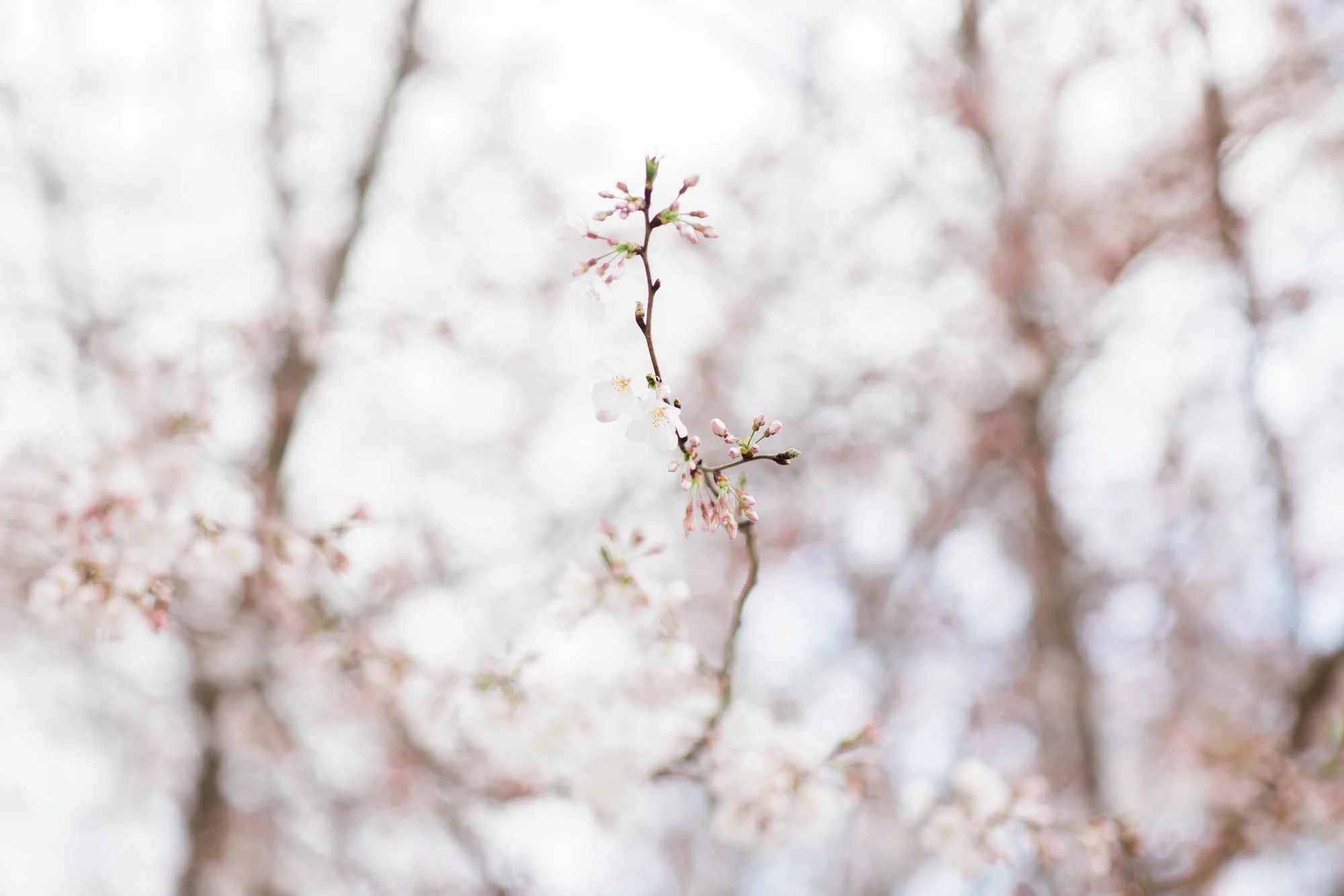
Texture does not have to be sharp to be effective. When a foreground branch or background wall falls slightly out of focus, it contributes color and dimension without pulling attention away from the face. This is one reason a wide aperture can be useful, though the aperture should suit the number of people and the desired level of detail.
Building layers with setting and perspective
Layering begins before the camera is raised. Look for three visual zones: something near the lens, the subject in the middle, and a background with enough distance to separate it from the person. This structure can be created indoors, in a garden, beside a historic building, or along an open Georgia landscape.
Changing the photographer’s position also changes the relationship between those zones. Shooting through flowers can create an intimate foreground wash. Moving lower can place the subject against more sky, while stepping to the side may align a doorway, tree trunk, or fence with the composition.
Natural-light portraiture benefits from these subtle adjustments because the environment becomes part of the image. Rather than forcing a dramatic backdrop, the photographer can use available shade, window light, or late-day sun to reveal layers gently and preserve authentic skin tones.
| Element | Visual effect | Best approach |
|---|---|---|
| Foreground foliage | Adds framing and softness | Keep it partially out of focus |
| Textured clothing | Creates tactile detail | Coordinate with a calmer background |
| Receding pathway | Draws the eye inward | Place the subject near a natural focal point |
| Architectural surfaces | Adds structure and context | Use directional light to reveal detail |
| Distant people or objects | Suggests a lived-in environment | Blur them enough to protect attention on the subject |
Matching texture to the portrait’s mood
Texture can influence how an image feels emotionally. Soft fabrics, hazy grasses, and translucent curtains support tenderness and quiet connection. Stone, timber, brick, and worn metal can create a grounded, editorial, or nostalgic atmosphere.
Styling should reflect the person rather than follow a rigid visual formula. A couple who prefers relaxed clothing may look most natural in denim and cotton against an outdoor setting. Someone drawn to a polished aesthetic may suit structured fabric and architectural surroundings. The goal is cohesion between personality, wardrobe, and place.
For family portraits, varied textures can help each person remain distinct while still looking connected. Coordinated colors often work better than identical outfits. Small differences in fabric and silhouette add rhythm, especially when several people are arranged at different distances from the camera.
Creating depth through light and focus
Light reveals texture by shaping surfaces. Side light can emphasize brick, folds, and hair, while open shade smooths skin and reduces harsh contrast. Backlighting can make a veil, loose hair, or tall grass glow, creating a luminous layer around the subject.
Focus is equally important. A shallow depth of field can separate a person from a busy setting, but keeping some background detail visible often tells a stronger story. The most effective focus choice depends on the location, the number of subjects, and whether the portrait should feel intimate or environmental.
Movement can add another layer. A turning face, flowing dress, wind through branches, or a hand reaching toward a partner creates depth through gesture as well as space. Candid direction allows these moments to develop naturally, which is especially valuable when photographing relationships.
Practical choices for a dimensional session
A successful session does not require elaborate props or complicated styling. It benefits from a location with varied surfaces, clothing with subtle visual interest, and enough room to work at different distances. Before the session, consider how colors, materials, and light will interact throughout the setting.
Useful choices include:
- Select one or two meaningful textures rather than filling every area with pattern.
- Bring clothing layers that can be added or removed as the light and setting change.
- Choose locations with foreground, middle-distance, and background options.
- Leave space between the subject and the background when a softer separation is desired.
- Let natural movement shape the frame instead of relying on rigid poses.
These decisions give the photographer room to create a varied gallery while keeping the images consistent. They also make it easier to move from close portraits to wider photographs that include the surrounding story.
Turning visual depth into lasting memories
Texture and layers work best when they serve emotion. The purpose is not to show how many details can fit into a frame; it is to make a portrait feel inhabited, connected, and true to the people being photographed. A soft foreground may suggest intimacy, while a visible landscape can preserve the significance of a place.
For wedding days, engagement sessions, family portraits, and couples photography, these techniques can create images that feel both polished and genuine. They preserve small visual clues—the weave of a dress, the grain of a porch, the blur of guests, or the warmth of evening light—that help bring the memory back.
If you are planning a session and want photographs shaped by natural light, meaningful surroundings, and honest connection, plan your session with Viki Sears Photography. Share the setting, people, and feeling you hope to remember, and the portrait experience can be designed around the details that make your story yours.