Texture And Layers For More Compelling Portraits
A portrait becomes memorable when the eye has somewhere to travel. Texture, depth and carefully arranged layers give an image that visual interest, helping a face, gesture or relationship feel connected to its surroundings rather than placed against an empty background.
For wedding, engagement, couples, family and individual portraits, layers can come from clothing, architecture, foliage, shadow and movement. A sheer curtain may soften window light, while a weathered wall, bouquet or textured knit adds quiet detail around the subject without distracting from their expression.
The role of texture and layers in creating visually interesting portraits is especially important in natural-light photography. The approach suits Australian conditions, from bright coastal ceremonies near Sydney to leafy family sessions in Melbourne and warm evening portraits in Brisbane. The aim is never to decorate an image for its own sake; every element should support the mood and the person being photographed.
Finding Texture In Everyday Places
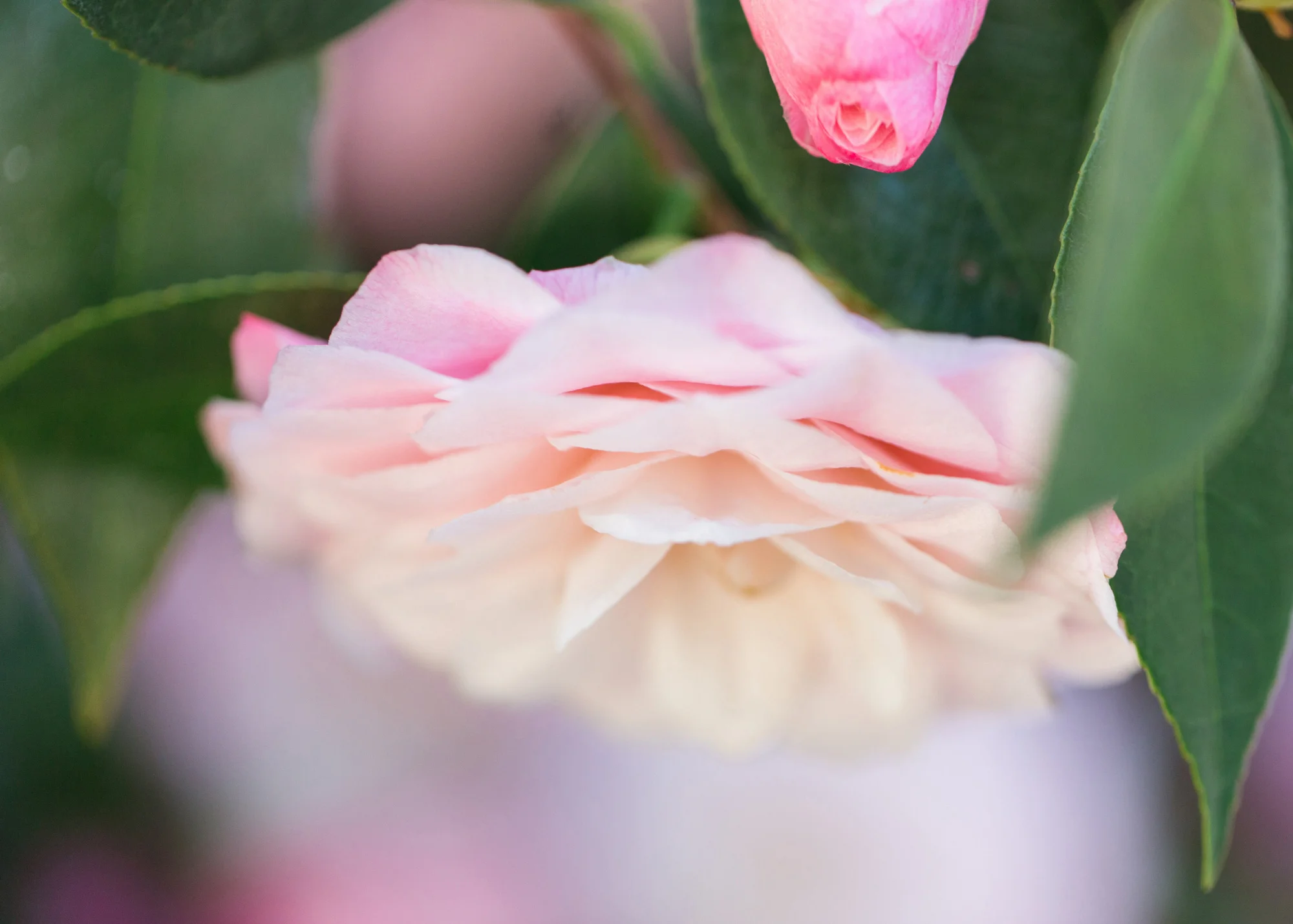
Texture does not require an elaborate studio. Rough brick, peeling paint, timber fences, linen curtains, long grass and eucalyptus bark can all introduce visual contrast. In a home session, a bedspread, tiled wall or woven chair may provide enough surface variation to make a simple portrait feel considered and dimensional.
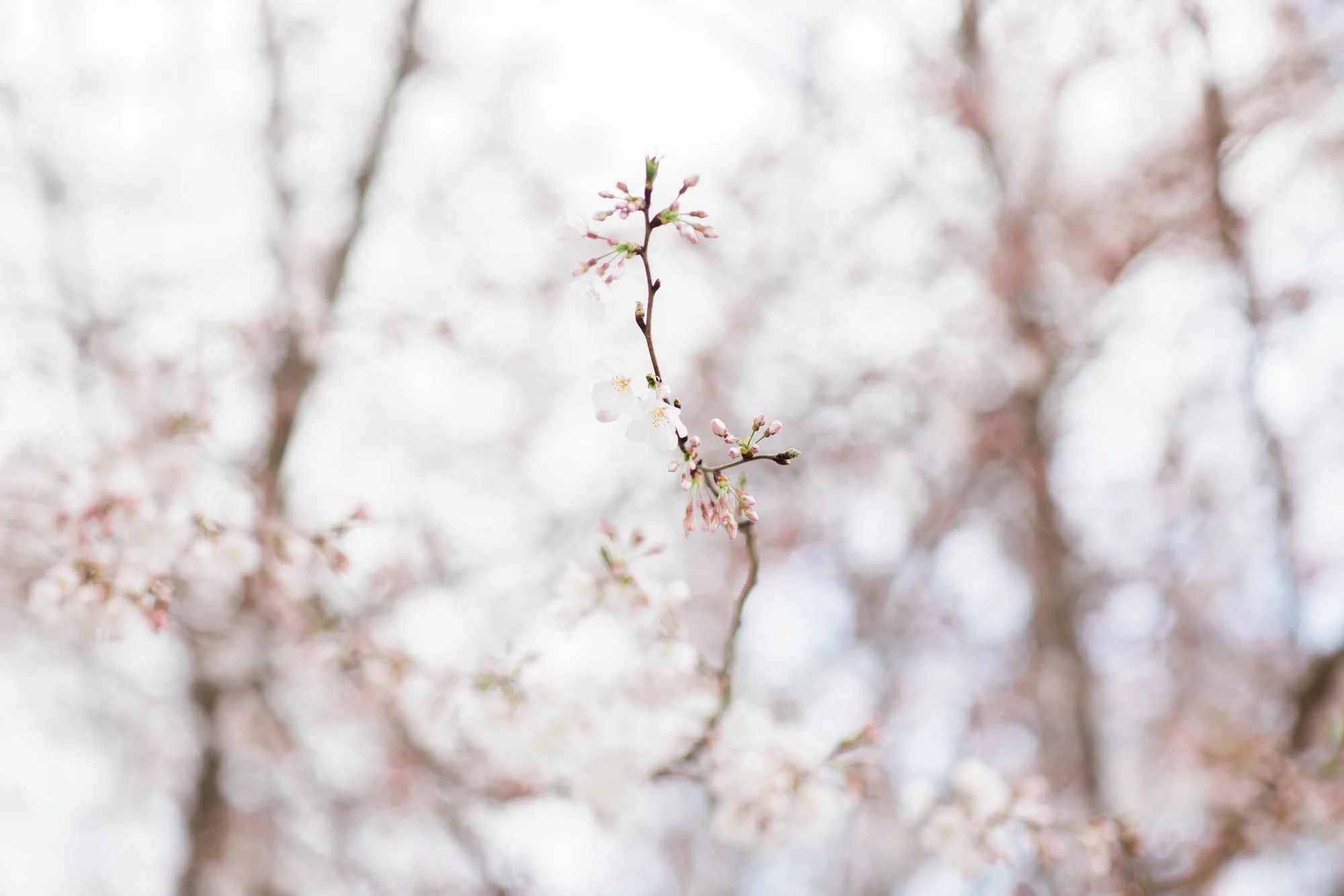
Natural textures also help a photograph feel connected to place. A couple walking through a Perth garden, for example, might be framed by dry grasses and pale stone, while a portrait in the Dandenong Ranges could use damp foliage, moss and deep greens. These details create a sense of atmosphere without turning the background into the main subject.
Building Depth With Foreground And Background
Layering is often created by placing something between the camera and the subject. Leaves, a doorway, a veil or a softly blurred bouquet can act as a foreground frame. Used with restraint, this technique adds depth and invites the viewer into the scene while keeping attention on the eyes and body language.
The background matters just as much. A receding pathway, rows of trees or architectural lines can guide the gaze towards the person in the frame. At an Australian beach wedding, the photographer might use a dune or grasses in the foreground, the couple in the middle distance and the ocean beyond. Each plane contributes to a portrait that feels spacious rather than flat.
Using Clothing As A Visual Layer
Clothing brings colour, pattern and tactile detail into a portrait before the camera is even raised. Flowing fabric can show movement, tailored pieces can create structure and a textured jumper can make a winter family session feel warm. Coordinating tones is usually more effective than matching every outfit exactly, especially when several people need to look connected but still individual.
Cultural attire can add meaning as well as visual richness. Traditional garments, jewellery, embroidery and ceremonial details should be photographed with care, allowing the people wearing them to guide the story. Thoughtful planning around cultural attire helps preserve significance while making space for candid expressions and family relationships.
Shaping Light Through Layers
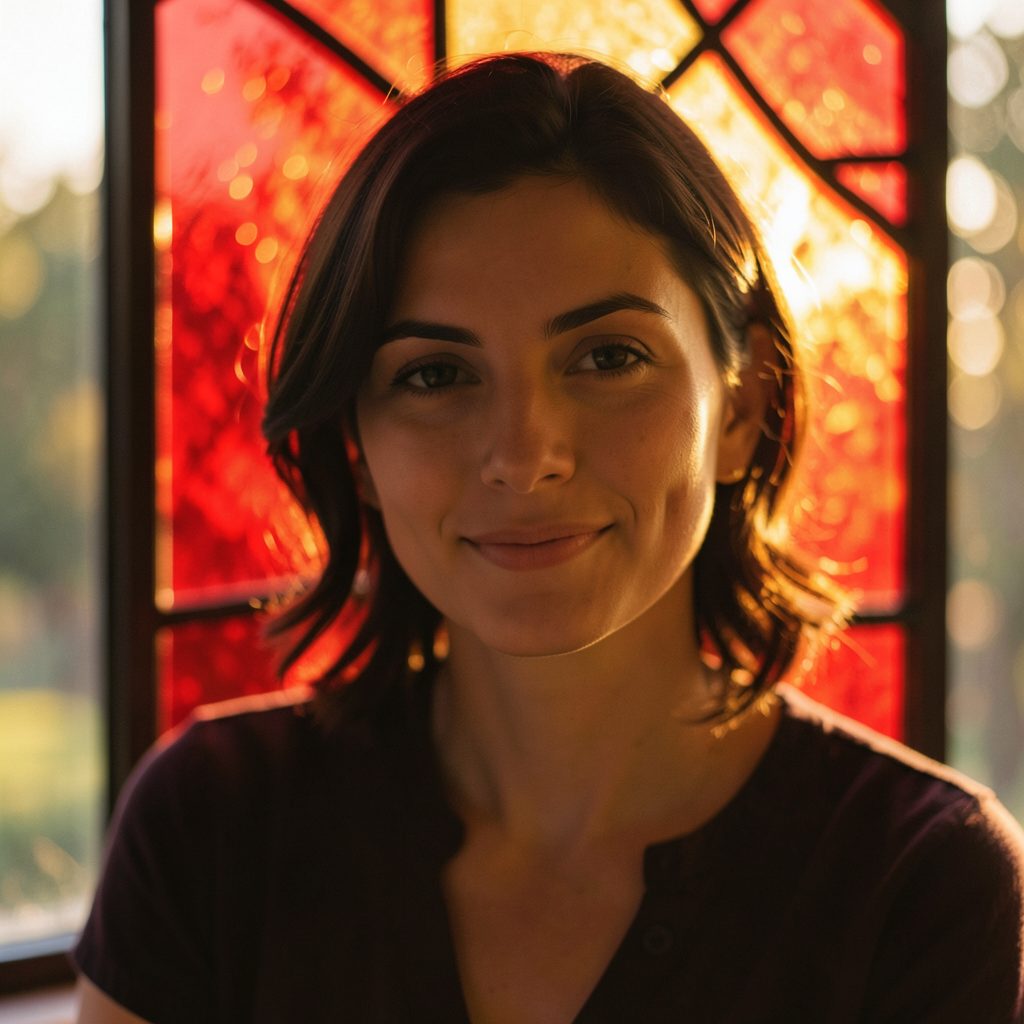
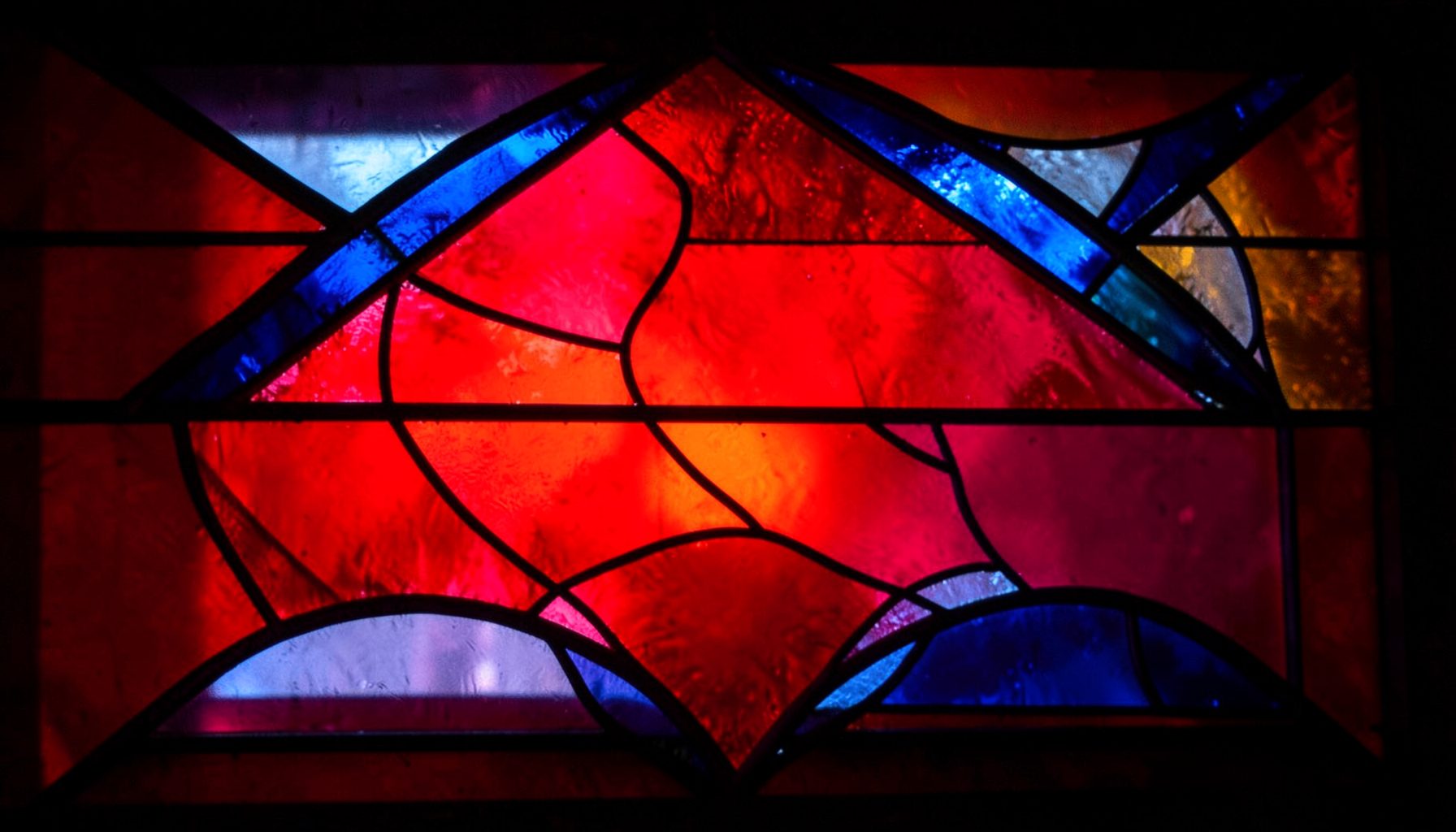
Light reveals texture, but it can also erase it. Direct midday sun may flatten delicate details or create sharp contrast, a common consideration for outdoor ceremonies in Australia. Open shade, backlighting and late-afternoon light can soften skin while allowing fabric, foliage and architectural surfaces to retain their character.
Transparent and semi-transparent layers are particularly useful. Curtains, lace, leaves and veils filter light and create gentle tonal variation across the frame. In humid Brisbane conditions or during a bright summer session, a shaded veranda can offer comfortable light and a textured setting without forcing people to squint.
Balancing Detail With Emotion
A portrait can contain plenty of visual information and still feel calm. The key is hierarchy. If the background is highly textured, simpler clothing may keep the face dominant. If a dress, bouquet or cultural garment carries intricate detail, a quiet wall or open landscape can give it room to be seen.
This balance is essential in wedding photography, where images need to show both atmosphere and genuine connection. A close portrait might focus on a hand resting against embroidered fabric, followed by a wider frame showing the couple beneath a tree. The details become more powerful because they are tied to an emotional moment rather than presented as isolated decoration.
Creating Natural Movement And Connection
Layers can change as people move through a scene. A jacket opens, a veil catches the breeze, a child steps behind a parent or a couple passes through a doorway. These small shifts create overlapping shapes and moments that feel observed rather than arranged. Natural movement is particularly valuable for people who feel uncomfortable posing.
For engagement and couples sessions, an active setting can provide this freedom. Walking beside the Yarra, exploring a coastal track near Newcastle or sharing a quiet moment at home gives the photographer changing textures and relationships to work with. The best frames often happen when people are focused on each other instead of the camera.
Texture and layering should ultimately make a portrait feel more like the people in it. A favourite jacket, a family home, a meaningful fabric or the landscape around a ceremony can add context without overpowering expression. This is where natural-light photography becomes personal: the environment is not a backdrop, but part of the story.
For a session with depth and atmosphere, begin by choosing one meaningful textured element—such as a garment, location or piece of foliage—and build the portrait around how it connects to the person being photographed.