
Choosing a Wedding Venue That Photographs Beautifully Year-Round
A beautiful wedding venue does more than provide a setting for the ceremony and reception. It shapes the light, movement, colors, and emotional rhythm of the images created throughout the day. The right location gives your photographer opportunities to document genuine connection in a way that feels natural rather than overly staged.
When touring venues, look beyond the first impression. Consider how the property will photograph in bright summer sun, autumn shade, winter cloud cover, or spring rain. A location with thoughtful indoor and outdoor spaces can keep your wedding portraits expressive and consistent in every season.
Read the natural light
Natural light is one of the most important features of a photograph-friendly venue. Look for rooms with large windows, glass doors, open walls, or covered outdoor areas that allow soft daylight to enter. Even a simple room can feel beautiful when the light is flattering and there is enough space to move.
Ask where the sun falls at different times of day. A west-facing ceremony site may be glowing at sunset but uncomfortably bright during an afternoon ceremony. A shaded garden can be ideal in July, while an exposed field may photograph beautifully in cooler months. Your photographer can help assess whether the venue offers usable light during portraits, getting-ready coverage, and the reception.
Consider every season
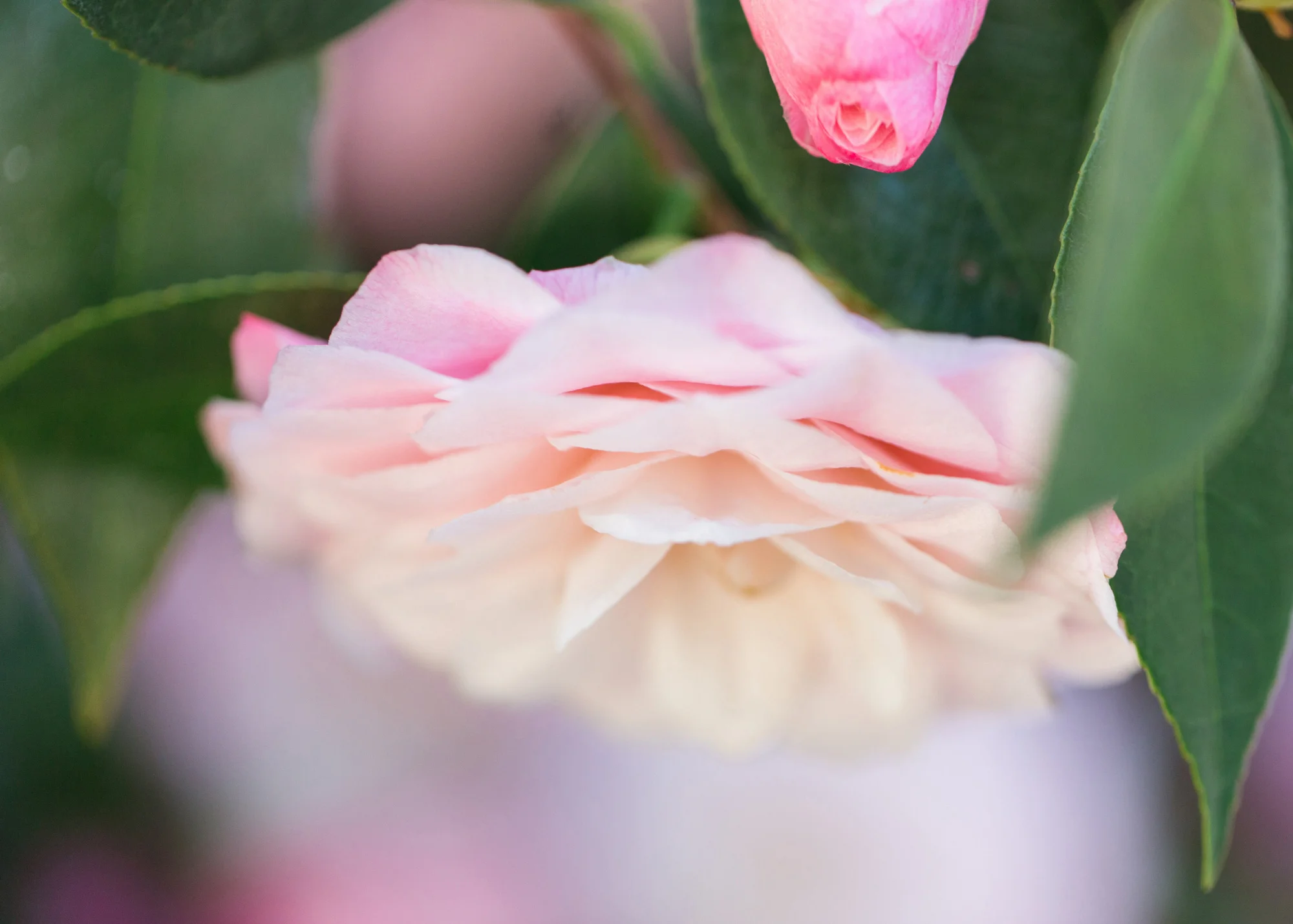
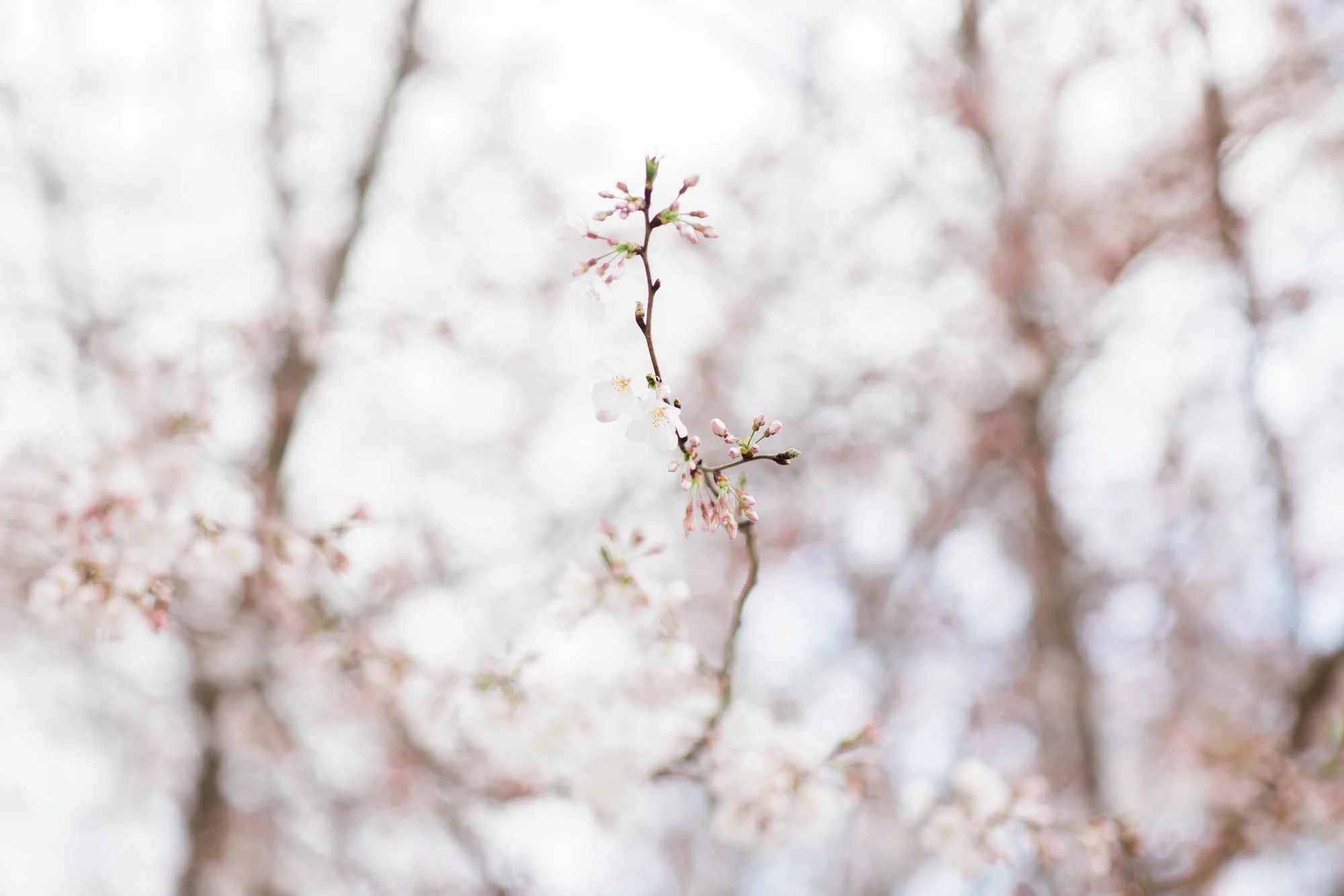
A venue should have visual appeal beyond its peak wedding season. In spring, flowering trees and fresh greenery create a lively backdrop. Summer offers full landscapes and long evenings, while autumn brings warm foliage and rich color. Winter venues benefit from architectural details, evergreen landscaping, fireplaces, and elegant interiors.
Weather flexibility is just as important as seasonal beauty. For Georgia weddings, heat, humidity, sudden rain, and changing conditions can all affect the timeline. A venue with a covered walkway, attractive indoor portrait locations, and a comfortable rain plan protects your photographs without making the day feel like a compromise.
Follow the story of the day
Think about how easily your photographer can move between important parts of the celebration. Are the getting-ready rooms close to the ceremony? Is there a quiet area for private vows or family portraits? Can guests move naturally from the ceremony to cocktail hour without disrupting photographs?
A venue with several connected spaces allows your gallery to include variety: quiet preparation moments, joyful greetings, wide landscape images, and intimate portraits. Long travel times between locations can create delays and reduce the time available for candid moments, especially when the schedule is already full.
| Venue feature | Photographic benefit | Questions to ask |
|---|---|---|
| Large windows | Soft, dimensional indoor portraits | Which rooms receive daylight during preparation? |
| Covered outdoor space | Rain protection without losing natural light | Is the backup area attractive enough for portraits? |
| Mature landscaping | Seasonal texture and varied backgrounds | What will the grounds look like during our wedding month? |
| Distinct ceremony and reception areas | A fuller visual story | Can guests and vendors move between spaces easily? |
| Architectural details | Strong images in any weather | Are there stairs, doors, walls, or interiors with character? |
| Private portrait area | Calm, uninterrupted couple photographs | Is there a quiet place away from guests? |
Inspect indoor spaces carefully
Many couples fall in love with a venue’s outdoor grounds, then overlook the rooms where much of the wedding day may take place. Walk through the bridal suite, groom’s room, ceremony backup space, reception hall, and corridors. Notice wall colors, window placement, ceiling height, flooring, and the amount of visual clutter.
Neutral tones and clean lines tend to photograph well because they keep attention on people and emotions. This does not mean a venue must be plain. Textured walls, historic details, fireplaces, wood beams, and elegant furnishings can add personality when they support the overall design rather than compete with it.
Choose a setting that feels like you
The most memorable venue is one that reflects your relationship and the atmosphere you want to create. A garden estate may suit a relaxed celebration filled with family interactions, while a modern gallery may complement a more editorial, design-focused wedding. A coastal, mountain, urban, or countryside setting can each tell a different visual story.
Walk the property with your photographer if possible. A professional who specializes in candid wedding photography can identify pockets of flattering light and meaningful locations that may not appear on the venue’s marketing tour. At Viki Sears Photography, a natural-light approach keeps portraits connected to the surroundings while preserving the spontaneous moments happening between them.
Weigh beauty against practical details
A photogenic venue still needs to support a smooth wedding experience. Confirm restrictions on photography, flash, drones, portrait locations, and the length of time your vendors may access the property. Ask whether furniture, decorations, or ceremony installations can block windows or limit movement.
Also review the rain plan, sunset timing, guest accessibility, parking, noise rules, and indoor climate control. A venue may look spectacular in an online gallery, but the best choice is one that remains comfortable and visually appealing when the weather changes or the schedule runs late.
Use a venue-walkthrough checklist
Bring a short list to every tour so you can compare locations consistently. Take reference photos from the areas where your ceremony, portraits, and reception might happen, and note the direction of the windows or outdoor views.
Useful details to record include:
- Available indoor and outdoor portrait locations
- Light quality during your planned ceremony and portrait times
- Covered areas for rain, heat, or cold weather
- Seasonal landscaping and nearby visual distractions
- Travel time between getting-ready rooms, ceremony, and reception
- Photography rules, access limits, and backup plans
Your venue should give you room for real moments, not just a beautiful backdrop. When the setting offers good light, comfortable movement, and a plan for changing weather, your photographs can feel cohesive across the entire year.
As you explore Georgia wedding venues and locations beyond, Viki Sears Photography can help you evaluate how each space may translate into honest, light-filled images. Browse the portfolio and get in touch to begin planning wedding, engagement, couples, or family photography that feels true to your story.