
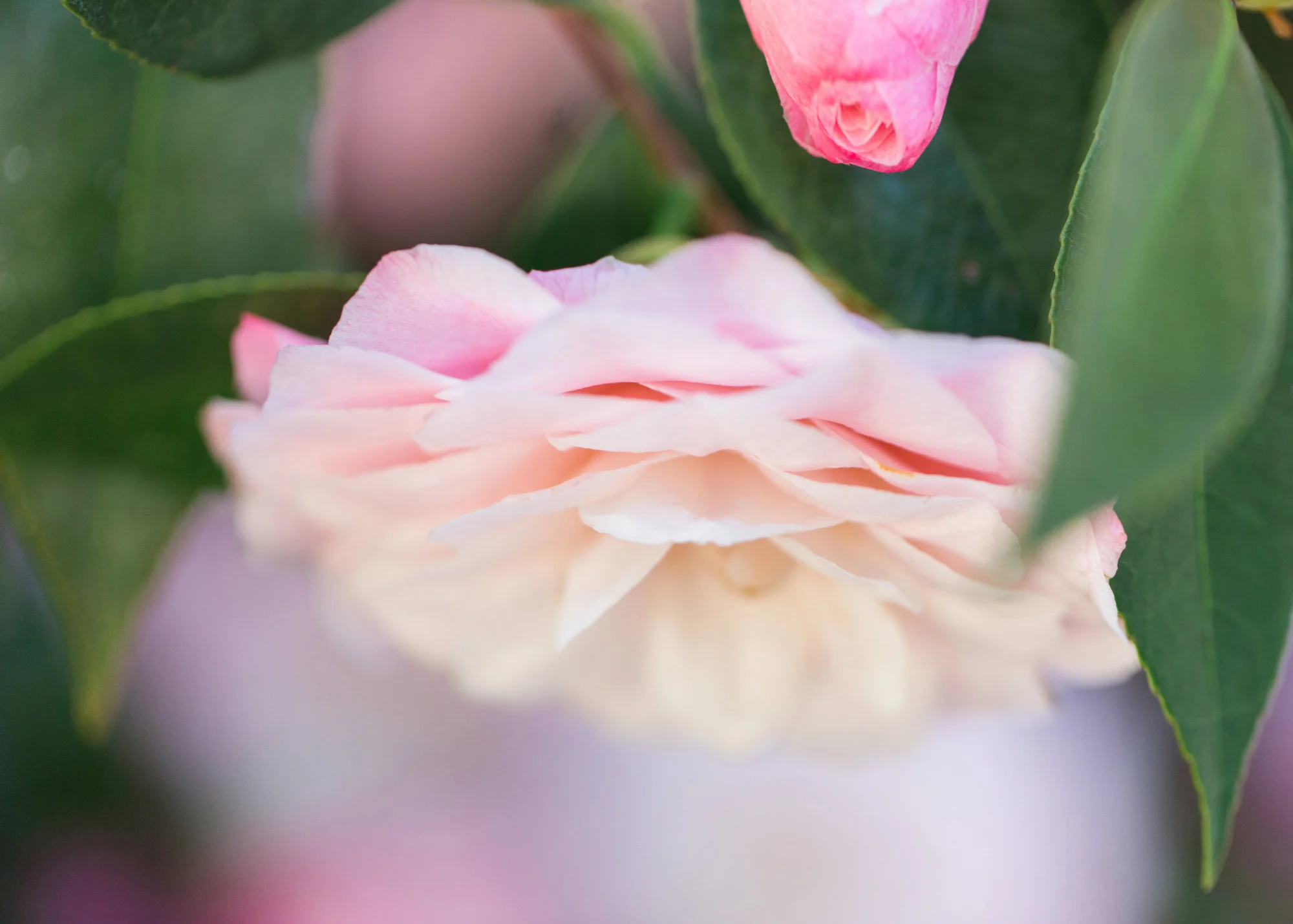


Keeping your dress clean for outdoor wedding photos
Maintaining a clean dress and achieving stunning outdoor photos requires balancing careful preparation with an embrace of imperfection. A wedding gown is made to move through a celebration, yet grass, dust, dew and uneven ground can mark it quickly. The aim is a gown that looks cared for while you walk, dance and enjoy the people around you.
Fabric matters. Satin and silk can show water rings, while tulle, organza and lace may snag or trap grit. A muddy hem may leave a pale patch if rubbed, and strong cleaner can weaken fibres. Follow the gown maker’s care instructions, and test any treatment in a hidden seam before using it near a visible area.
Australian weddings span very different conditions. Sydney’s botanic gardens can bring morning dew or irrigation spray, Melbourne lanes can turn windy, and Brisbane parkland can combine high UV with sudden summer rain. Choose shoes and layers for the forecast on that day rather than the season named on the invitation.
Preparation should begin before the schedule is printed. Walk the likely route, note steps, gravel, lawn and puddles, and decide where the train will be gathered. Tell the photographer about slick boards, sprinklers and wet patches. A dress attendant can watch the hem, manage pins and stop curious children from stepping onto the train.
Plan the route before the photo run
Walk the route with your photographer and the people responsible for garments. Check whether paths are shaded, whether irrigation runs at a particular hour and whether a low step is hidden by grass. Stand on the actual surface in your planned shoes; a route that looks firm in a venue photo can become slippery after rain.
Public botanic gardens and waterfront reserves are popular Australian photo settings, but commercial photography rules vary by site managers and local councils. Some sites require a permit, while state and local vegetation laws may protect native plants. Stay on paths and never collect flowers, leaves or seed heads for the wedding.
For lawn portraits, lower block heels are steadier than narrow stilettos. Disposable overshoes can protect a hem on mud only if everyone knows how to walk in them. Remove them before group portraits unless they will be out of frame, and never let them create a slipping risk.
Match the light, fabric and forecast
Natural light rewards timing. Early morning and late afternoon usually produce softer colour and gentler shadows, while harsh midday sun can flatten fabric texture and reveal every speck. Use a parasol or clear shade between setups, but check that its shape does not cast hard lines across the skirt.
Photograph movement where the ground can support it. Walking shots, veil movement and a quick turn are often more memorable than a rigid pose, yet they need room. Keep the train clear of rough grass, choose a dry strip for the full-length frame and avoid kneeling on damp soil.
For a destination event, event production specialists can confirm weather cover, power and safe load-in details before those choices affect clothing and portraits. Local knowledge is valuable when rain is possible and there is little time to find another site.
Reduce marks before the gown goes on
Most outdoor marks begin before the formal portraits. Put on sunscreen and let it absorb before dressing; spraying it over a skirt risks streaks and uneven sheen. Apply deodorant to clean, dry skin and let it dry, then add fragrance only to stable points such as the wrists.
Use a smooth, well-fitted petticoat to reduce snagging, and check that underwear, shapewear or a visible bra line will not show through a fitted bodice. Choose discreet clips or covered pins instead of fastening delicate silk with hard metal. Test pins on an offcut when possible.
Before moving to the lawn, lift or pin the hem at its shortest point and check the back for stray threads. Keep a clean shawl for shade and grass, but remove it before the camera moves in. For long celebrations, a second skirt or shorter hem can save the formal train without losing the ceremony look.
Respond calmly between photo moments
If a spill happens, act quickly but gently. Lift food with a spoon, blot liquid with a clean white cloth and avoid scrubbing, which can spread marks or damage fibres. Do not pour cleaner directly onto the gown. Check the care label, confirm that the product suits the fabric and test it in a concealed seam.
Steaming is common in the Australian bridal market, yet it is unsuitable for some silk, glued bodices or embellished layers. Ask the gown specialist which method is safe, or arrange an onsite textile cleaner. Many salons include a post-ceremony touch-up, so include that person in the dressing schedule.
If an overseas celebration is on the table, location research matters as much as wardrobe planning. This guide to Atlanta portrait locations shows how streets, architecture and natural light can create variety without relying on a formal studio backdrop.
A simple dress-aware checklist
A shared checklist keeps the plan calm and practical, especially when several helpers are nearby and the schedule is moving.
Walking the full route requires you to identify grass, mud, gravel, steps, sprinklers and shade. Let sunscreen and deodorant dry before dressing, and keep fragrance away from delicate fabric. Choose footwear for the actual surface; carry a second pair if heels are unsafe on lawn. Keep blotting cloths, a dress-safe lint roller, safety pins and a fabric-compatible spot remover nearby. Test every cleaning product on a hidden seam and never scrub, bleach or rub a wet stain. Give one attendant responsibility for the train, hem and garment checks before each photo run.
Treat the gown as part of the experience, not an object that stops the day. A photograph does not need a flawless corner if your posture, expression and connection are genuine; natural wrinkles and movement often show the celebration better than forced stillness.
The detail to remember is preparation: know the ground, protect the fabric, respond gently and let people help. The image worth keeping will be the one in which you look present and connected, not distant from the day because of a stain.