

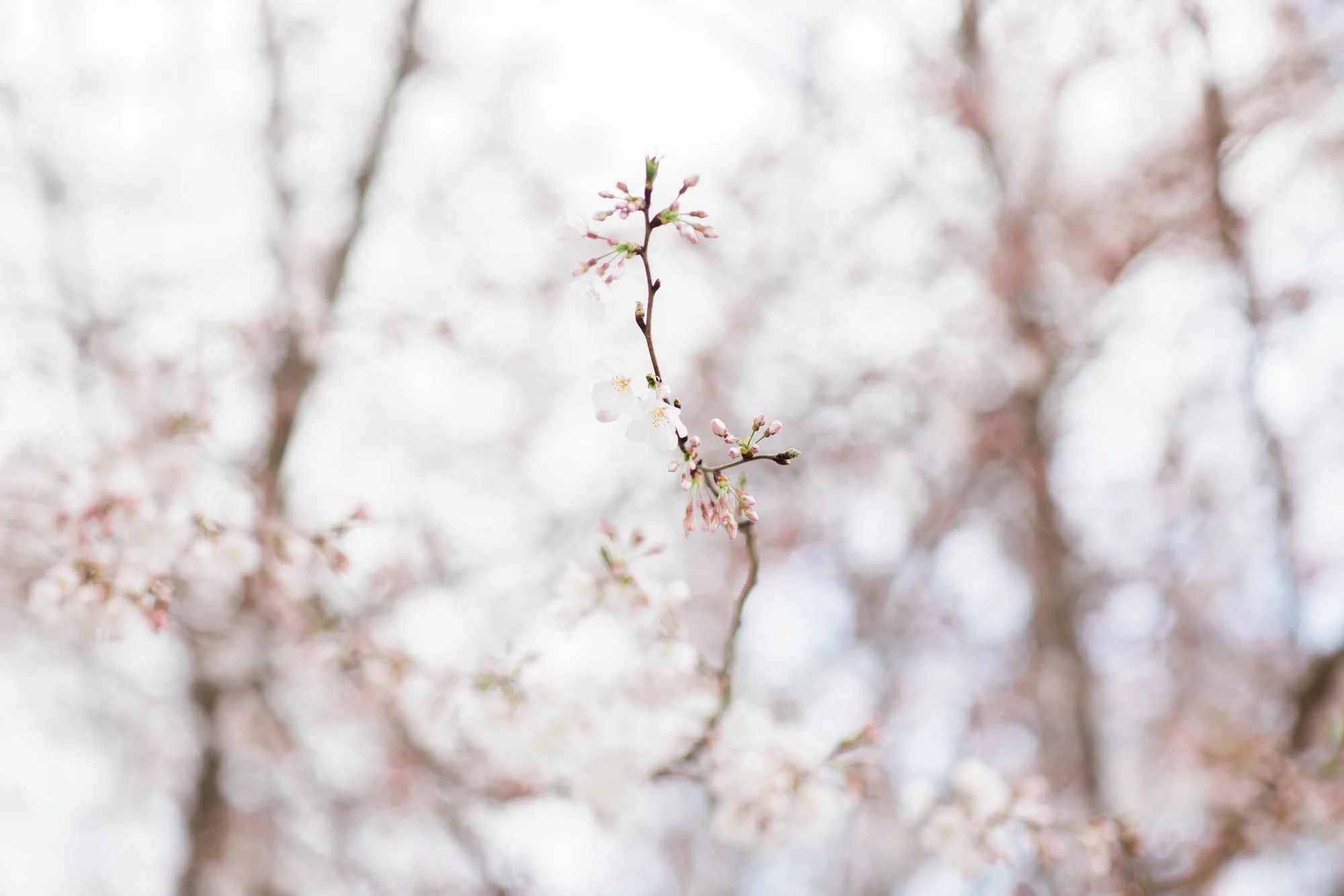

Why A Morning Wedding Can Yield Stunning Soft-Light Photography
A morning wedding can transform the visual mood of the entire day. Before the sun reaches its strongest point, light tends to be gentler, shadows are less severe, and skin tones appear naturally luminous. This creates ideal conditions for photographs that feel calm, intimate and true to the people in them.
For couples in Australia, an early celebration can also suit the climate and the rhythm of the day. A garden ceremony in Brisbane, a coastal wedding near Sydney or a country venue outside Melbourne may feel cooler and more comfortable before midday, while the photography benefits from clear, flattering illumination.
The Character Of Early-Day Light
Morning sunlight usually arrives at a lower angle, passing through more atmosphere before reaching the scene. That softens contrast and gives photographs a subtle glow. Instead of deep shadows beneath the eyes or harsh highlights on a white dress, faces are often evenly lit and easier to photograph naturally.
This quality is especially helpful for candid wedding photography. A photographer can move between the couple, family and guests without constantly searching for shade. Window light during bridal preparations, filtered sunshine on a verandah and pale illumination across a ceremony space can all create a cohesive visual story.
Cooler Conditions And Happier Faces
Australian summer weddings can become physically demanding, particularly in inland areas or open venues. Scheduling portraits earlier can reduce exposure to heat, glare and humidity. In places such as Perth or Adelaide, where bright summer days can intensify quickly, a morning timeline may help everyone remain relaxed and fresh.
Comfort changes expression. Couples are less likely to squint, overheat or rush through portraits when the air is cooler. Hair and makeup may also remain more polished, while children and older relatives can participate before the day becomes tiring. These small practical benefits often produce more spontaneous photographs.
Planning Around Australia’s Sun
The exact quality of morning light depends on the season, location and orientation of the venue. A ceremony facing east may receive direct sunlight, while a west-facing space could remain softly shaded for longer. Local conditions matter too: coastal haze, eucalyptus trees and pale sand can reflect light in distinctive ways.
Daylight saving affects schedules in New South Wales, Victoria, Tasmania, South Australia and the Australian Capital Territory, while Queensland, Western Australia and the Northern Territory keep standard time. A timeline that looks early on paper may still produce strong light, so the photographer and venue coordinator should check the sun’s position for the actual date.
Useful timing details to confirm include:
- The ceremony’s direction and available shade
- Sunrise time for the wedding date
- Heat, wind and humidity patterns at the venue
- Travel time between preparations, ceremony and portraits
- Whether nearby buildings or trees affect the light
A site visit or detailed location review can prevent surprises. It also helps identify sheltered portrait areas if the forecast brings strong sun or a sudden change in weather.
A Natural Rhythm For The Wedding Day
Morning weddings often encourage a more relaxed sequence. Preparations can begin early, followed by a late-morning ceremony, family photographs and couple portraits. A long lunch or afternoon reception then allows guests to celebrate without the pressure of staying out late.
This structure works particularly well with Australian wedding customs such as garden ceremonies, outdoor celebrant services and shared lunches. It may also suit regional venues where guests are travelling from Sydney to the Southern Highlands, from Melbourne to the Yarra Valley or between towns in Queensland. The day feels spacious, giving the photographer time to observe rather than stage every moment.
For couples drawn to an authentic, documentary approach, Viki Sears Photography focuses on relationships, emotion and natural-light imagery. That style pairs well with a morning schedule because there is room for quiet interactions, unhurried portraits and genuine reactions between formal events.
Soft Light For Every Part Of The Story
The benefits of an early start extend beyond couple portraits. A photographer can capture the texture of the day from several perspectives: a parent fastening a dress, friends sharing coffee, the first look between partners and guests arriving beneath trees or sails.
A morning reception can also provide a different visual atmosphere from an evening party. Bright windows, fresh flowers and long table settings photograph with an airy, editorial quality. Later, if the celebration continues into the afternoon, changing light can add variety without relying on artificial flash.
Photographers often look for these opportunities during a morning wedding:
- Gentle window light for getting-ready photographs
- Open shade for flattering family portraits
- Soft backlight around gardens and verandahs
- Reflections from water, pale walls or sandy paths
- Unscripted moments before guests become settled
The result is a gallery with tonal consistency. Images feel connected because the light supports the emotional pace, from quiet anticipation to lively celebration.
Making The Morning Timeline Work
An early wedding does require thoughtful coordination. Hair and makeup may need to begin at dawn, and suppliers must be comfortable with the earlier call time. Some guests may prefer a later ceremony, especially if they are travelling, so invitations should make the schedule clear and accommodation options should be considered.
Couples should also allow breathing room between key events. Ten extra minutes can make the difference between rushed portraits and photographs filled with ease. A first look, private vows or a short walk together can create meaningful images while the light remains soft.
The strongest plan is built around the couple’s priorities, the venue’s orientation and the local forecast rather than a fixed formula. For a wedding date, begin by checking sunrise and expected temperatures, then set the ceremony and portrait windows with the photographer before finalising the supplier timeline.